The ancients used to say Nullum magnum ingenium sine mixtura dementiae fuit, that is, ‘there is no genius without a grain of madness’. This combination has been studied since antiquity. Aristotle himself identified a correlation between exceptional minds and a melancholic temperament, going so far as to speak of the melancholy in the man of genius.
In the Renaissance, madness (though still considered a mental illness) took on the role of a ‘revealing force’. Similarly, the declamation In Praise of Madness, a humorous thesis written in Latin in a deliberately scholarly manner by Erasmus of Rotterdam in 1509, was one of the most influential works in the literature of the Western world and remains an iconic work today. Since Romanticism, which rejected the rationality of the Enlightenment in favor of a greater irrationality mixed with creative genius, the concept has evolved with artists such as Jean Dubuffet. Dubuffet is a representative of Art Brut in the twentieth century (also known as ‘alienated’ or ‘raw art’), and of spontaneous works of art produced mainly inside asylums and prisons and on the edges of aesthetic conventions.
More recently, researchers have found a link between mental illness and creativity at the neurological level, identifying similar characteristics between ‘creative’ psychic processes and mental pathologies.With that in mind, it’s no surprise some artists have revolutionized the history of art while being plagued by psychological disorders. Here are ten examples.
Yayoi Kusama
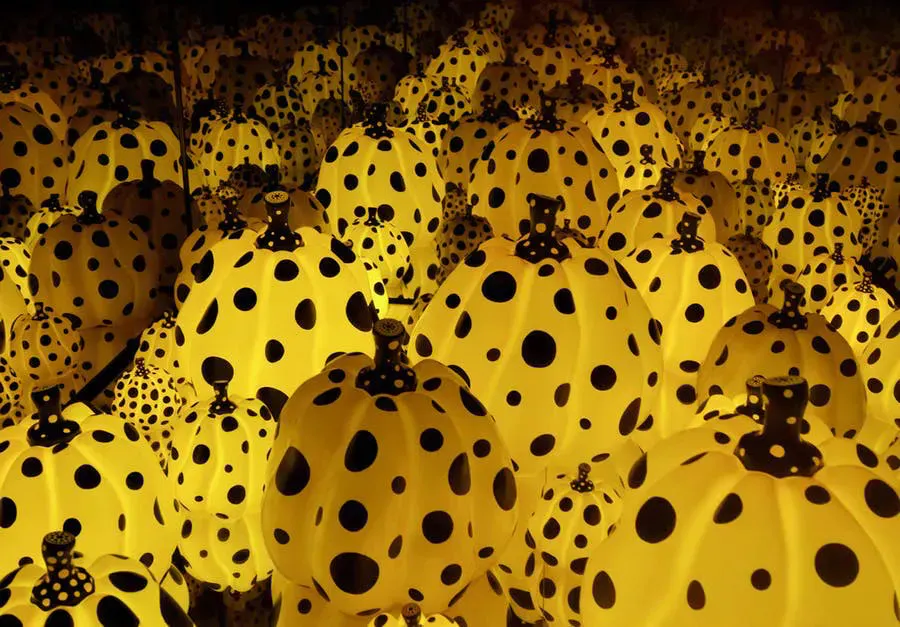
Born in 1929 in Matsumoto, Japan, Yayoi Kusama has lived for decades on her own in a psychiatric clinic. Traumatized by the environment of post-war Japan, Kusama was unstable from a young age, suffering from obsessive-compulsive disorder and hallucinations, among other conditions. As a child, she was taught that contact with the opposite sex was impure, and as a result she developed a phobia of men and phallic visions of all kinds. Her paintings with polka dots and repetitive patterns, as well as her pumpkins, seem to come from her hallucinations. Kusama has used art as a vehicle to embody her ‘inner garden’, and by doing so, has positioned herself as one of the most celebrated contemporary artists.
Amedeo Modigliani
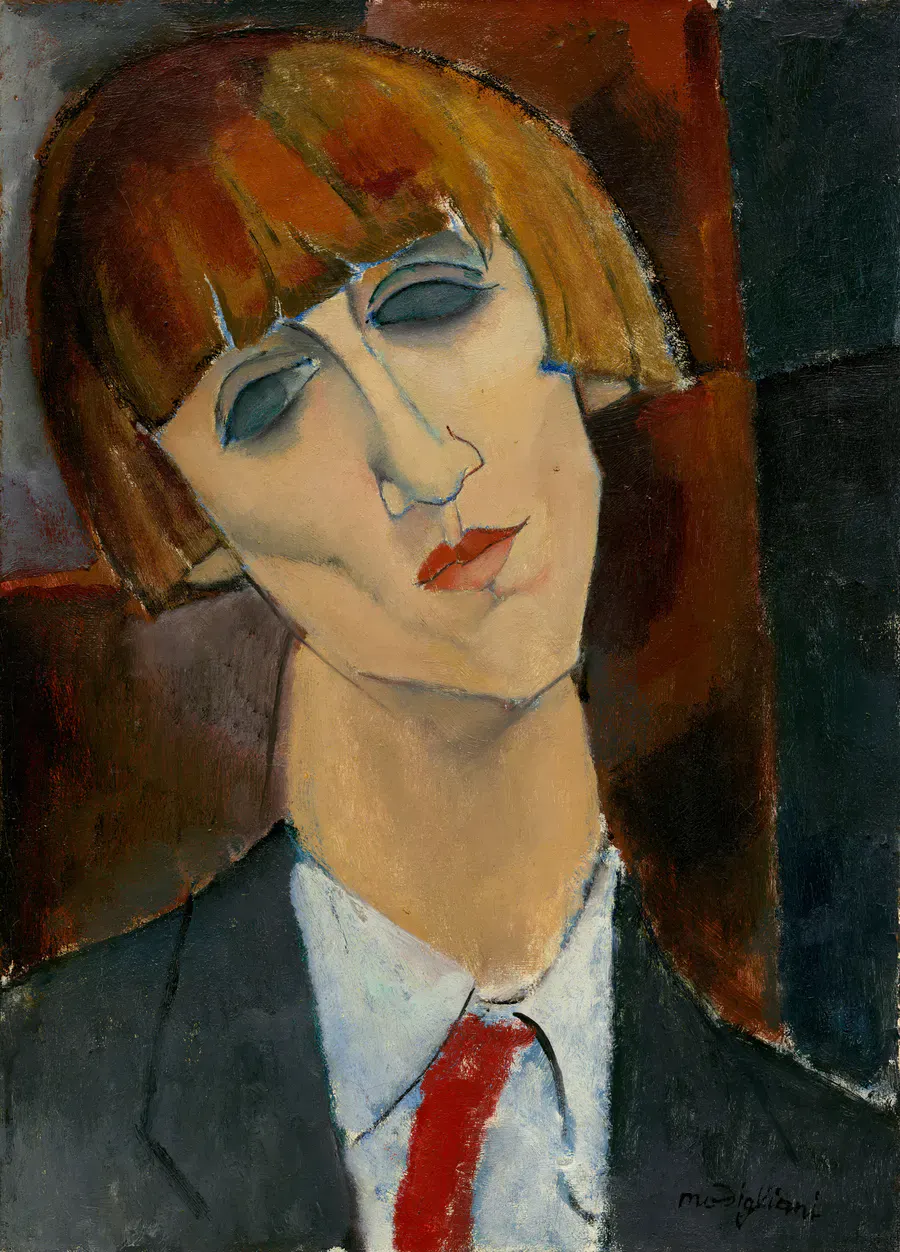
Many members of the Modigliani family suffered from depression, and Amedeo himself wasn’t spared. The Tuscan painter, also known as Modì, led a life dependent on alcohol and drugs. Nonetheless, in his very short career, he produced works of exquisite originality. He died prematurely in 1920, at the age of only 35, after a tormented life dedicated to self-destruction.
Henri de Toulouse-Lautrec
Related: Fire, Passion, Inspiration: Red Hair in Art
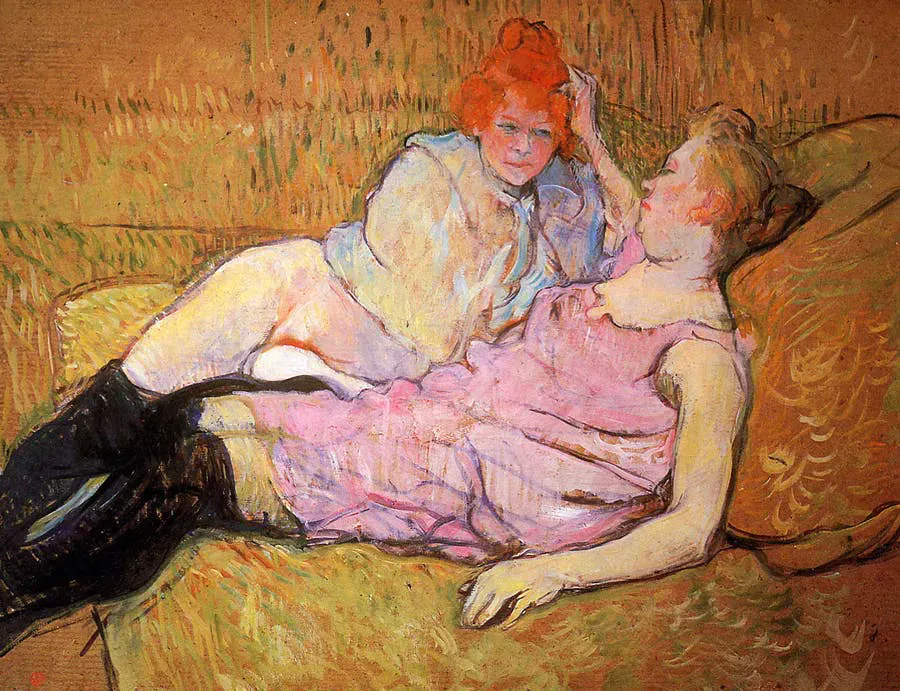
The painter Henri Toulouse-Lautrec's addiction to alcohol, particularly absinthe, is well known. The artist was eventually admitted to a psychiatric clinic due to hallucinations and delirium tremens (a severe neurological disorder related to alcohol withdrawal syndrome, characterized by fever, tremors and impaired consciousness).
Edvard Munch
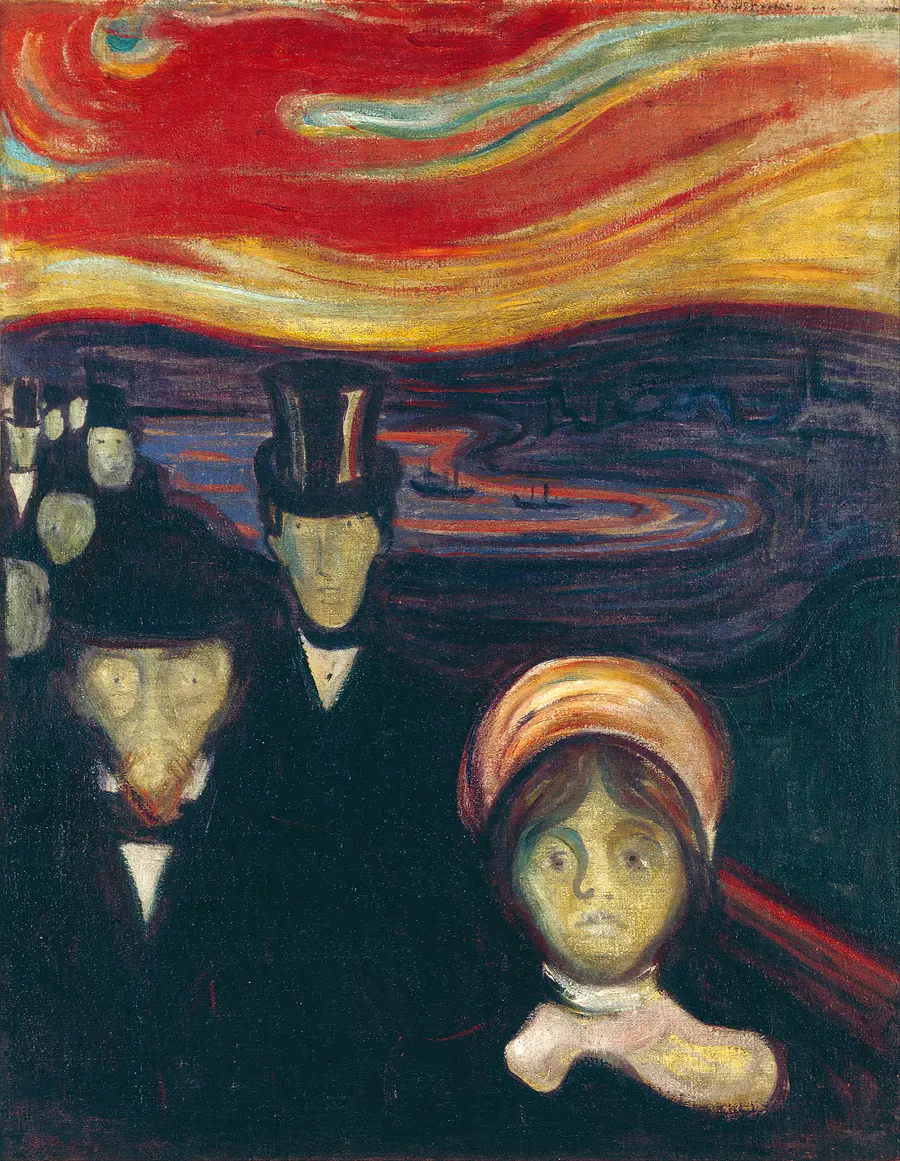
Edvard Munch was often plagued by nightmares and terrifying visions, which also influenced his artistic style. The inscription "Could only have been painted by a madman!” on Munch’s famous painting The Scream (1893) is, according to a recent discovery by experts, by his own hand. Munch's entire oeuvre exudes a kind of existential anguish, expressed through the use of violent colors and undulating figures.
Louis Wain
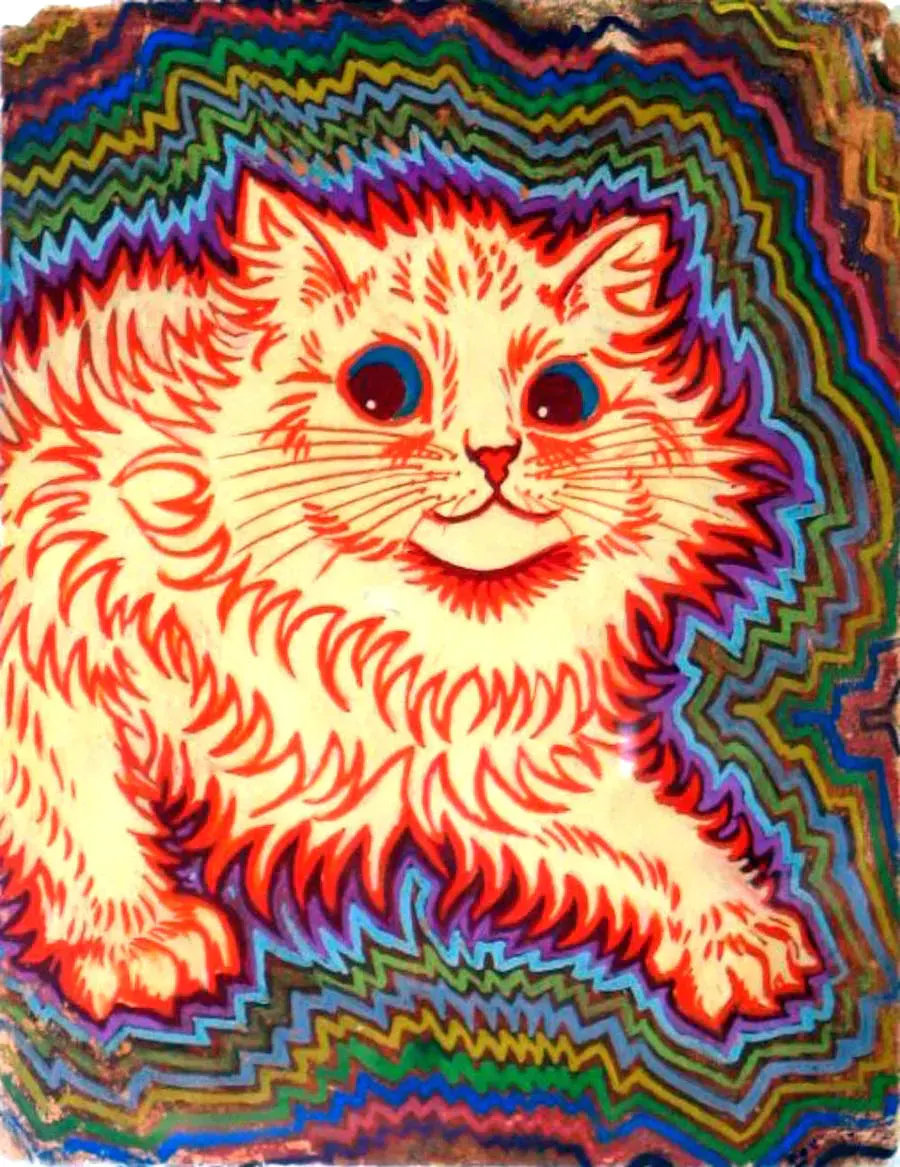
Related: Cats in Art: 10 Decidedly Feline Works
If you love art and cats, Louis Wain is a name probably familiar to you. An artist known for his anthropomorphic depictions of domestic felines, Wain had a difficult life, marked by the untimely death of his wife (which sent him into a severe depression) and schizophrenia. According to some experts, the progression of his illness is evident in the increasing abstraction of his paintings.
Vincent van Gogh
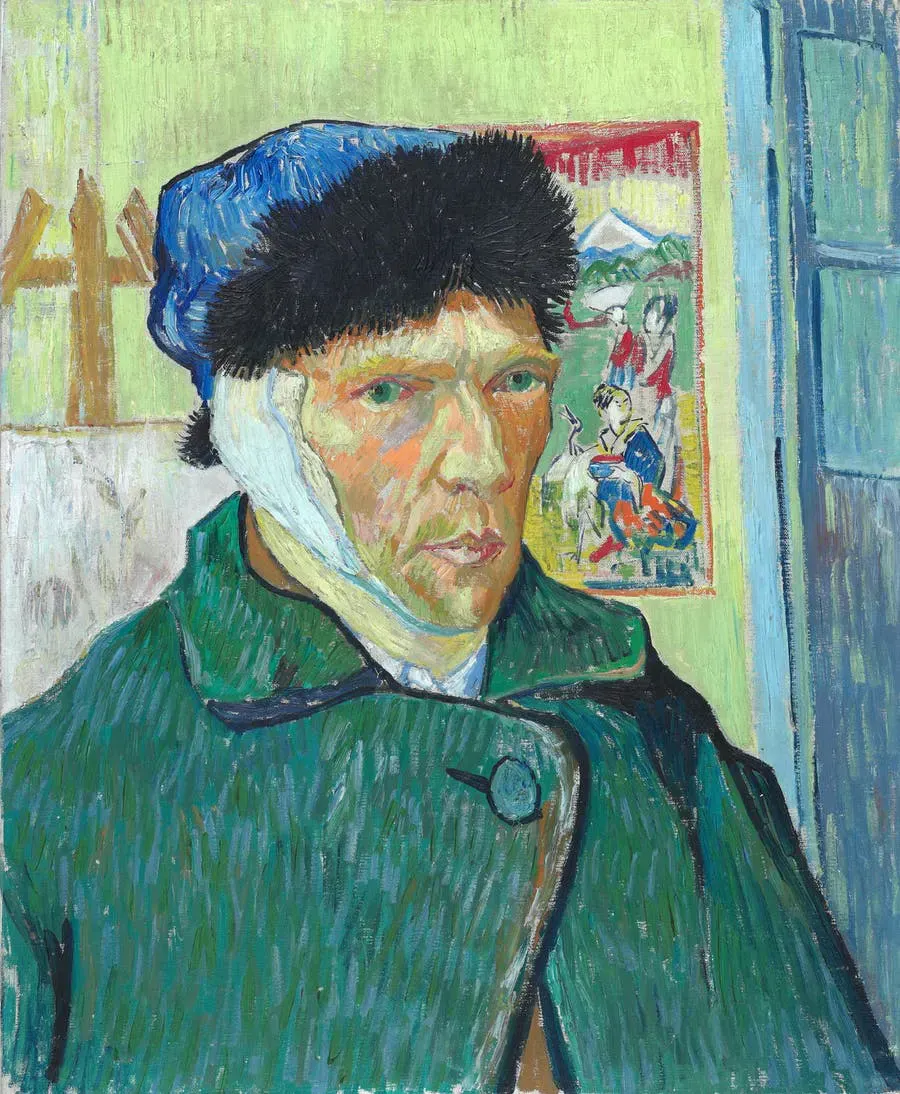
Vincent Van Gogh's paintings often exude a certain torment, an almost palpable anguish. Some researchers have identified pathologies such as bipolarity and borderline personality disorder in the Dutch artist. His mental health also deteriorated through alcohol abuse, epileptic seizures and psychotic episodes, which led him to mutilate his ear with a razor.
Paul Gauguin
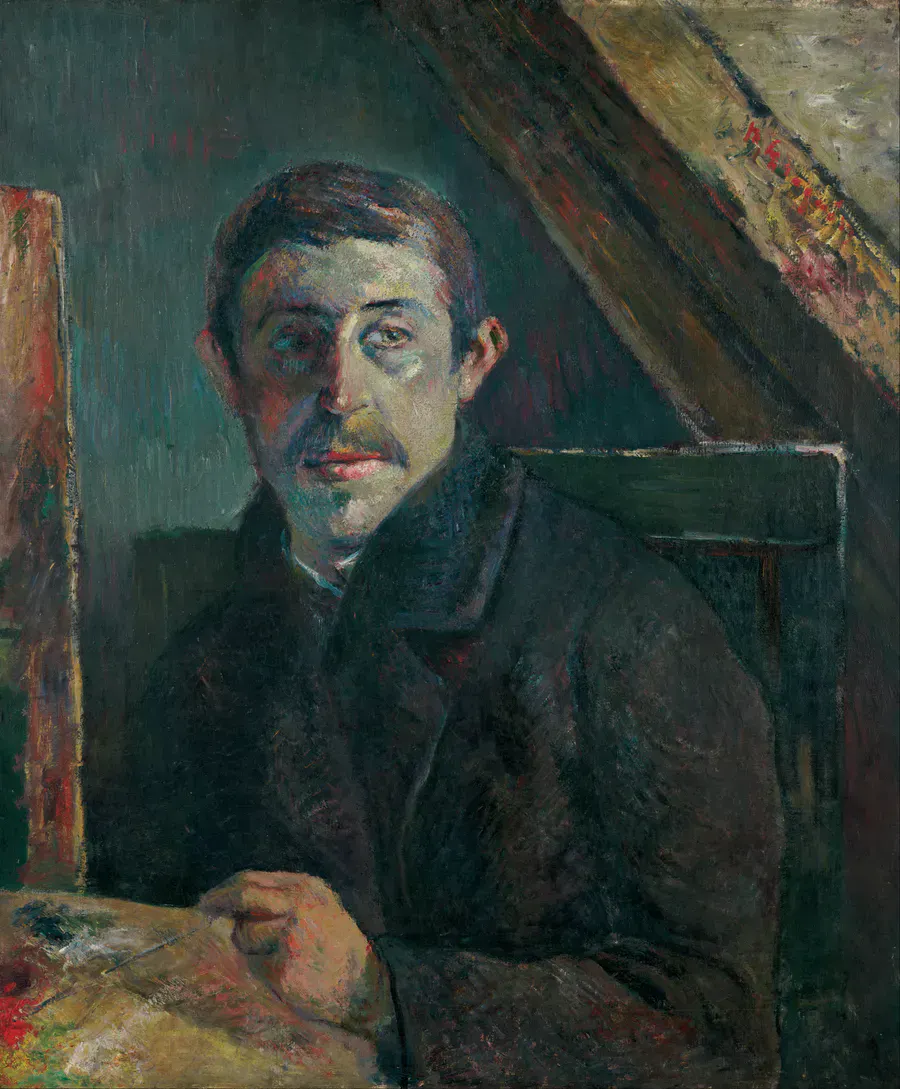
Paul Gauguin, who was good friends with van Gogh, was a rather controversial artist. A representative of the French Post-Impressionist movement, as well as Symbolism, the painter suffered from episodes of debilitating depression, which culminated in a suicide attempt.
Edgar Degas
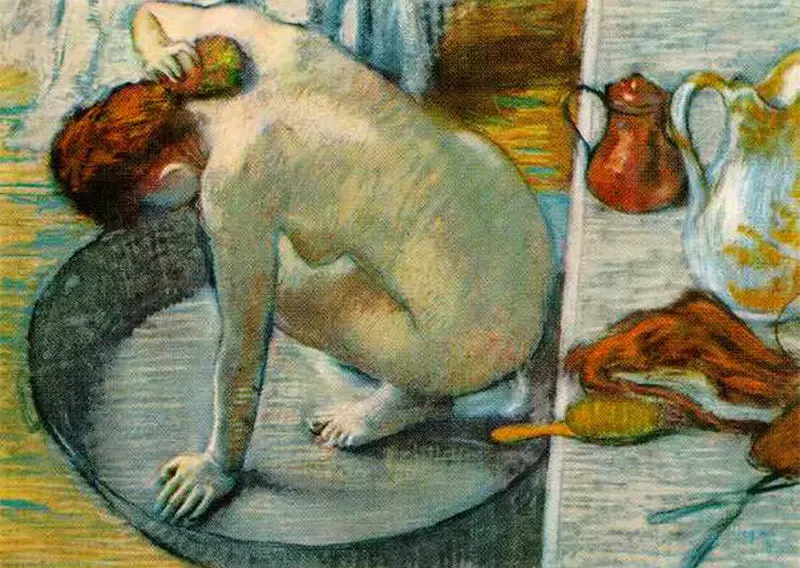
Impressionist artist Edgar Degas, known for his tireless interest in ballet scenes, suffered from depression and had a reputation for being short-tempered, agitated, and having a biting, cruel sense of humor. He often holed up in his studio, leaving only at night to wander the streets of Paris alone.
Francisco Goya

Related: The 10 Most Scandalous Artworks
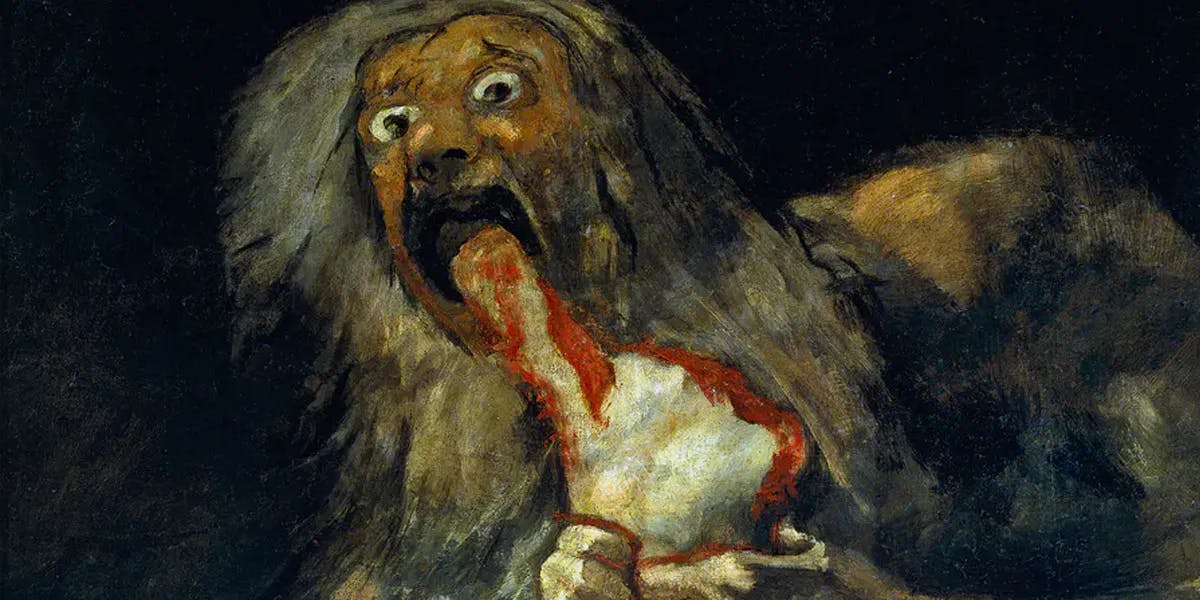
In the paintings of Francisco José de Goya, feelings of loneliness, fear and alienation have a prominent place, and seem to reflect the painter's state of mind. Goya was often the victim of psycho-physical depressions, which some experts attribute to Meniere's syndrome, while others have diagnosed him with paranoid dementia. The work Saturn Devouring his Children, from the series Black Paintings, is well known for its mythological character represented in the grip of a cannibalistic rage with eyes bulging out of their sockets and plunged into a black darkness that seems to symbolize evil itself.
Michelangelo Buonarroti
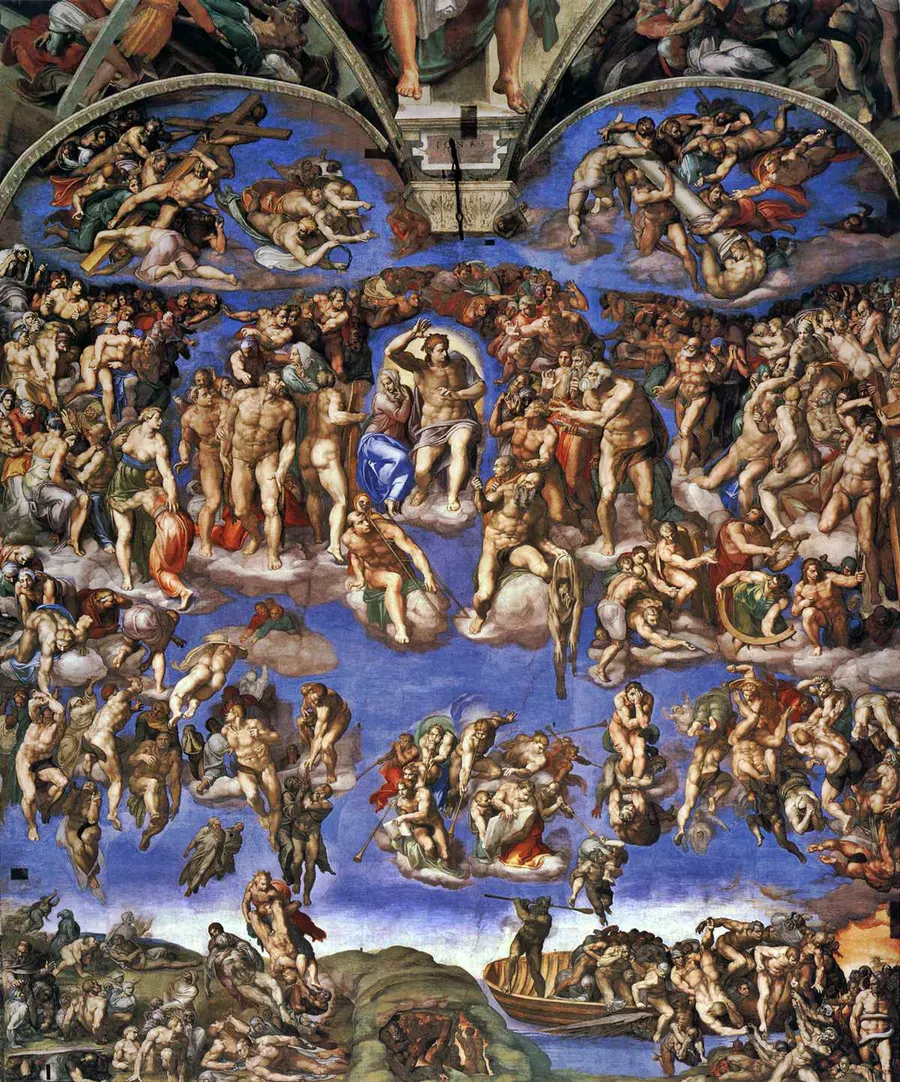
A multi-faceted artist (sculptor, painter, architect, poet) Michelangelo is the archetype of modern genius. His art is known throughout the world, but some people are still unaware of the darker side of his psyche, namely a tendency towards depression and what some specialists have identified as bipolar disorder. His genius was manifested in some of the most inspiring achievements in history, and these new traits give us a picture that is as controversial as it is human and fascinating.
The German philosopher Friedrich Nietzsche said “One must still have chaos in oneself to be able to give birth to a dancing star”. It is certain that the artists mentioned here, and so many other ‘extravagant’ minds, have helped to make art shine and the world more interesting.