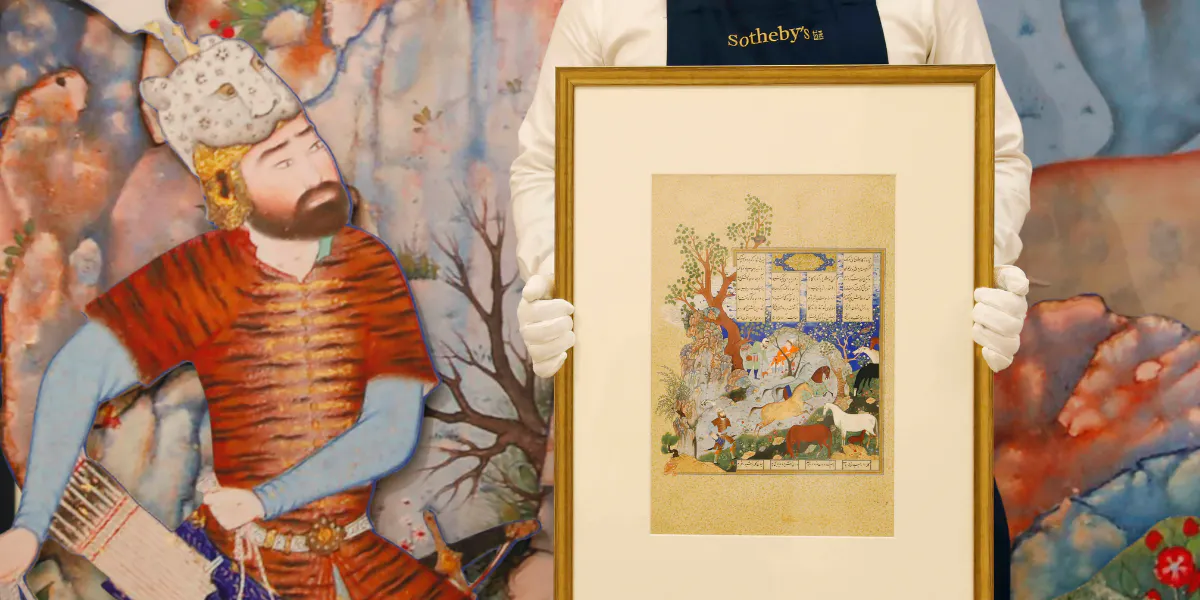
Spanning 14 centuries and countless cultures, from Spain to Southeast Asia, Islamic art is everywhere around us, backed up by a strong collector's market. In this interview, we sat down with Louise Lebrun, Department & Private Sales Coordinator for Islamic Art at Sotheby’s, to ask about its history, legacy, market, and trends.
Barnebys: What led you to specialize in this field?
Louise Lebrun: Before discovering Islamic art, I specialized in Mesopotamian archaeology at university. During an archaeological trip to Georgia, my team excavated artifacts connected with the Persian Achaemenid civilization, sparking my deep interest in this period. The following summer, while working for the Louvre’s Oriental Antiquities department, I studied Assyrian and Babylonian objects. I was fascinated by how these ancient civilizations, predating us by several millennia, profoundly shaped modern society. I became increasingly interested in studying and preserving their legacy.
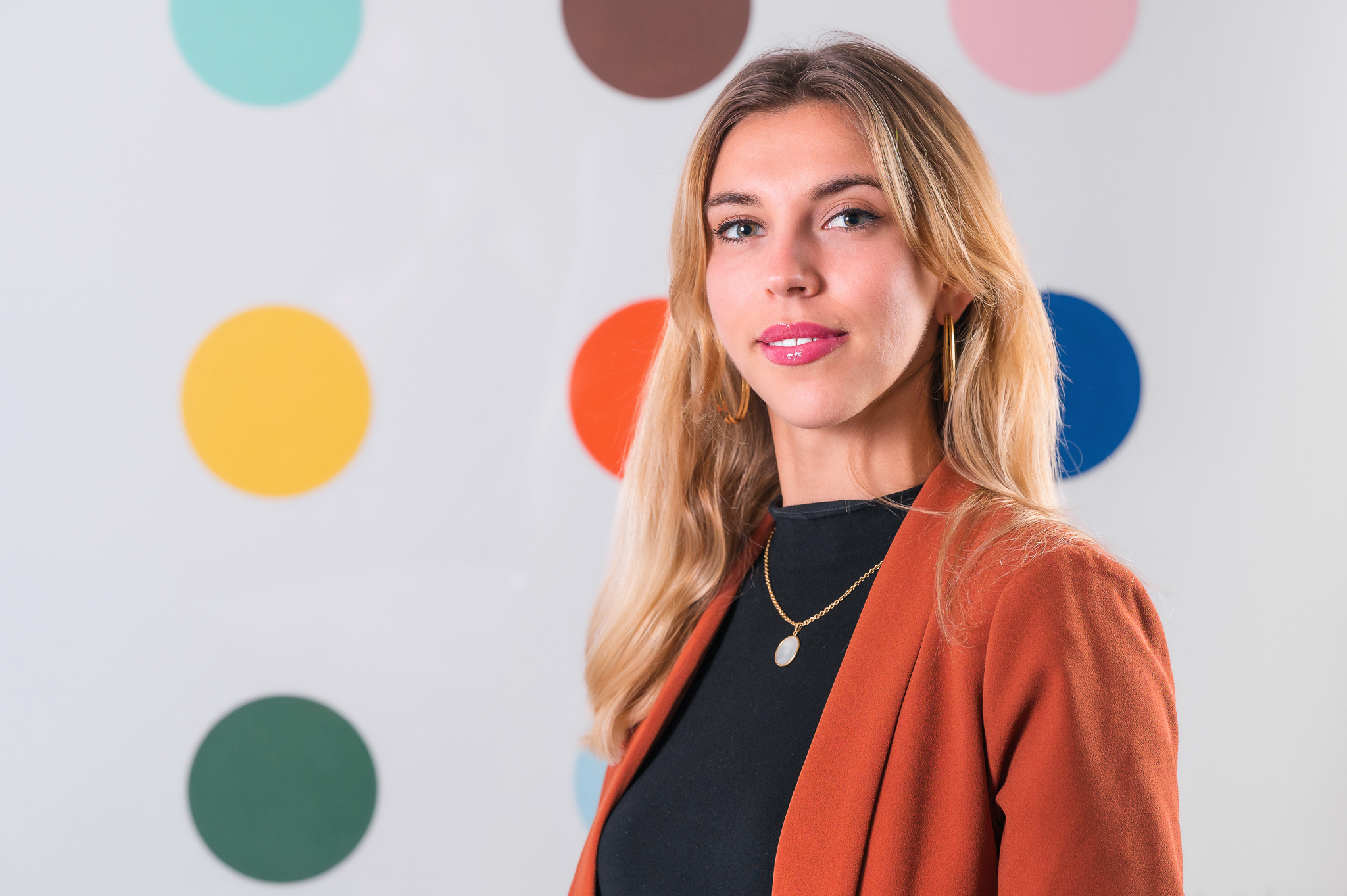
After completing a master’s degree in Cultural Heritage Studies, I sought practical experience by working for an auction house. Given my interest in the Middle East, I naturally gravitated towards Sotheby’s Islamic art department. This was a revelation — an area of history spanning hundreds of years that had escaped my previous studies. Over the nearly three years that I've worked at Sotheby’s, I've handled countless artifacts, traveled extensively to visit Islamic art collections and sites worldwide, and collaborated with numerous experts in the field. My decision to pursue a career in Islamic Art has been life-changing, and having the opportunity to directly engage with these artifacts through the auction world is a true privilege.
What defines Islamic art, and how has it evolved over time?
Islamic art encompasses any form of artistic creation produced under the patronage of Islamic rulers and/or by Muslim craftsmen. It is by nature a very broad category, spanning a wide range of both religious and secular objects made between the advent of Islam in the 7th century to the modern day, from Spain to Southeast Asia. This includes manuscripts, textiles, ceramics, metalworks, and glass.
As such, Islamic art has undergone constant evolution, reflecting the mutual influence of various cultural practices around common artistic features. Typical motifs in Islamic art include arabesques, calligraphy, and geometric forms. The result is an incredibly coherent yet varied artistic production that has deeply permeated our world. If you pay attention, you'll notice the influence of Islamic art everywhere around you — in architecture, interior design, fashion, and many other elements of daily life.
Can you tell us about the significance of Islamic art in the global art market today?
Islamic art represents a rapidly growing and dynamic category within the global art market. Historically, it emerged as a collecting category in the late 19th century, though some European aristocrats began building their collections even earlier during their travels. Sotheby’s sold Qur’ans as early as 1755 and hosted its first dedicated sale of ‘Oriental manuscripts and Miniatures’ in the 1970s. During this period, a significant number of works found their way to Western Europe and America, catching the attention of scholars and collectors alike. Since then, the global art market has witnessed an ever-increasing demand from both private collectors and public institutions. Many important pieces now reside in museum collections worldwide and are unlikely to resurface on the market. For this reason, the demand for rare, never-before-seen pieces is at an all-time high. Collectors often gather at Sotheby’s bi-annual auctions of Arts of the Islamic World & India, making it an exciting moment to be a part of.
Related: The Art of Collecting Persian Rugs and Carpets
From a collector’s perspective, what are some factors that make certain pieces of Islamic art particularly valuable or desirable?
In one word: provenance. The Islamic art market is a discerning space, where the pursuit of exclusive, rare objects is intricately linked with attribution and dating. This comes hand in hand with the requisite legal regulations governing trade. Consequently, an object’s provenance plays a crucial role in establishing its authenticity and trade viability. Moreover, the market highly values pieces with esteemed provenances, often fetching record prices for works associated with renowned collectors.
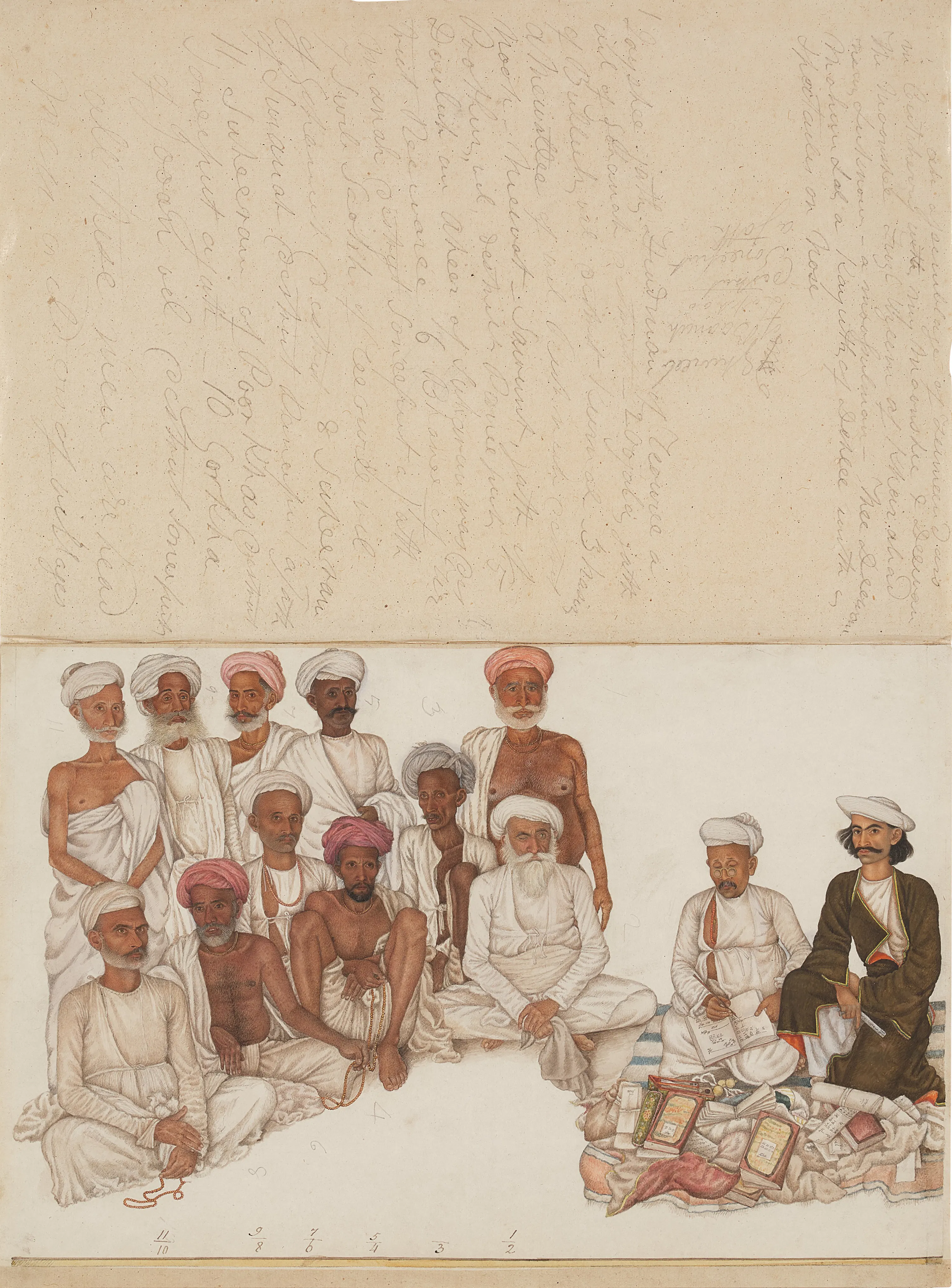
The highest auction result for a collection of Islamic art at Sotheby’s was achieved by Stuart Cary Welch, one of the most esteemed scholars in the discipline, in a landmark auction in 2011, fetching £21 million. Last October 2023, we sold another portion of his collection, which doubled its estimate, bringing in over £10 million. This serves as a testament to the continued interest in pieces with distinguished provenance. Leading the sale was a watercolor from the renowned Fraser album, setting an auction record for a Company School painting, alongside a magnificent 16th-century gem-set dagger: the perfect example of the field’s diversity.
Are there any ‘holy grail’ items that collectors are always looking out for?
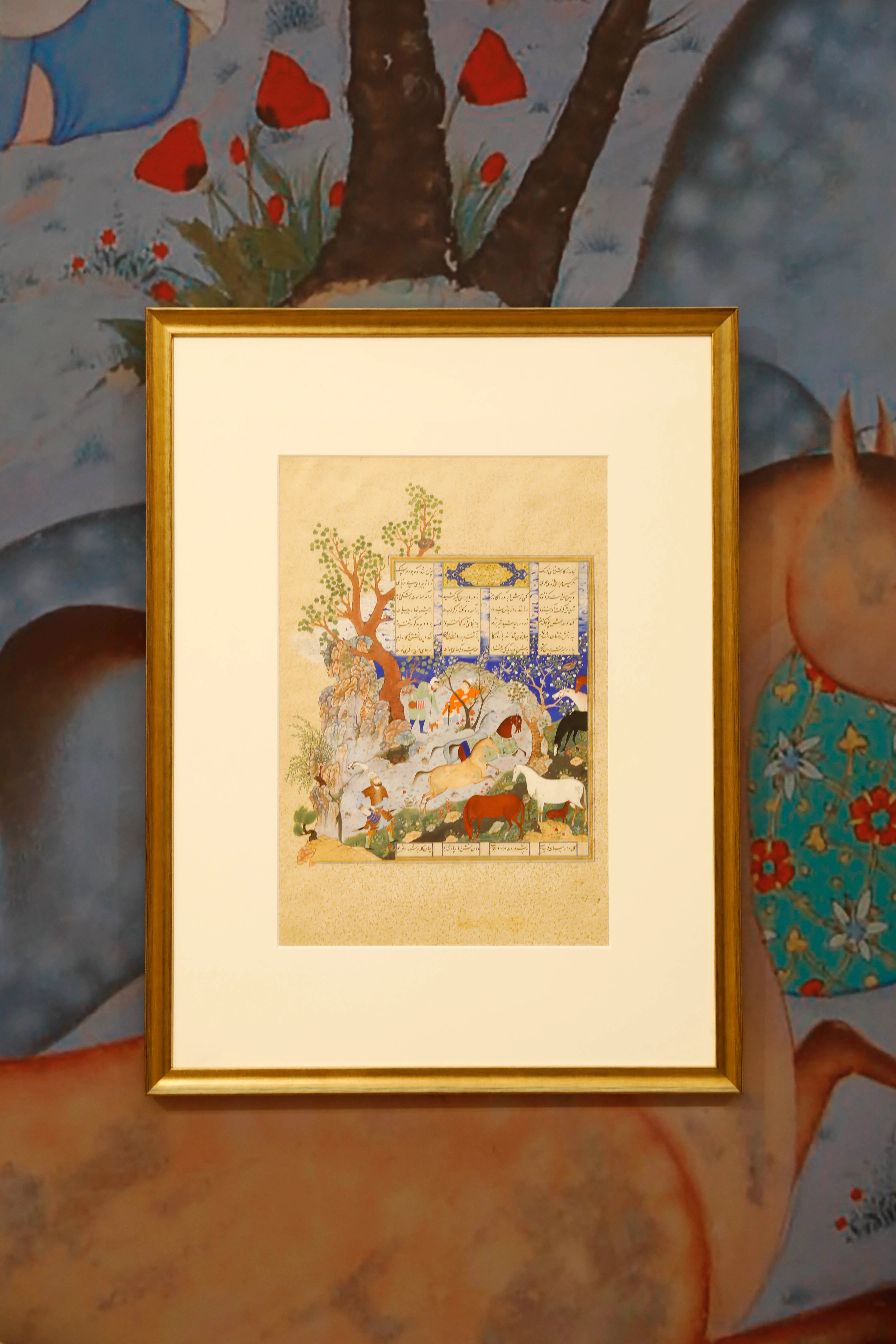
I personally witnessed the excitement and spirited bidding surrounding pages of the Shah Tahmasp’s Shahnameh, arguably the most famous illustrated manuscript of the Persian national epic. Its miniatures were crafted by master painters under Shah Tahmasp I, and the manuscript was later gifted to Ottoman Sultan Selim II. The manuscript's pages were dispersed by an American collector in the 1970s, with a few resurfacing on the auction market recently. I was fortunate to be involved in the sale of two of these pages, with one setting a record for the most expensive Islamic work on paper, selling for £8 million in October 2022.
Related: An Extremely Rare Persian Manuscript Could Fetch Over $6 Million

Pieces with royal provenance tend to command the highest prices. These objects typically exhibit exceptional quality and often boast fascinating backgrounds, owing to the historical circumstances surrounding their creation. For instance, our upcoming sale features a beautiful gem-set 17th-century Ottoman agate cup crafted in Turkey. It features a later gold mount bearing the cipher of Empress Catherine II of Russia and the enthronement date of Sultan Selim III in 1789. Despite the conflict between Turkey and Russia at the time, this suggests that the cup may have been part of a diplomatic gesture to honor the Russian Empress during the Sultan's enthronement.
What advice would you give to collectors who are interested in starting or expanding their collection of Middle Eastern and Islamic art?
I love Islamic Art for two main reasons. Firstly, it's an incredibly diverse field that brings together a wide array of objects under one category. Secondly, each item seamlessly combines exceptional aesthetics and craftsmanship with fascinating historical insights. While this may seem overwhelming at first, I view it as an invitation to explore and discover what resonates with one's personal taste, which I believe is the most crucial aspect of collecting.
Want more articles like this delivered straight to your inbox? Subscribe to our free newsletter!

When starting your collecting journey, it's crucial to familiarize yourself with the market and its evolving trends. With many dealers and auction houses offering items across a wide range of prices, collecting can be accessible at any budget. However, as provenance plays a pivotal role, it is highly advisable to engage with reputable players in the industry. The core of the market is concentrated in London during the Spring and Autumn 'Islamic Weeks,' when leading auction houses host their flagship sales and exhibitions. For anyone keen on collecting, these occasions provide the perfect opportunity to view objects firsthand and engage with fellow enthusiasts and professionals in the field.
Could you recommend any must-visit museums, events, or places for those interested in exploring Middle Eastern and Islamic art further?
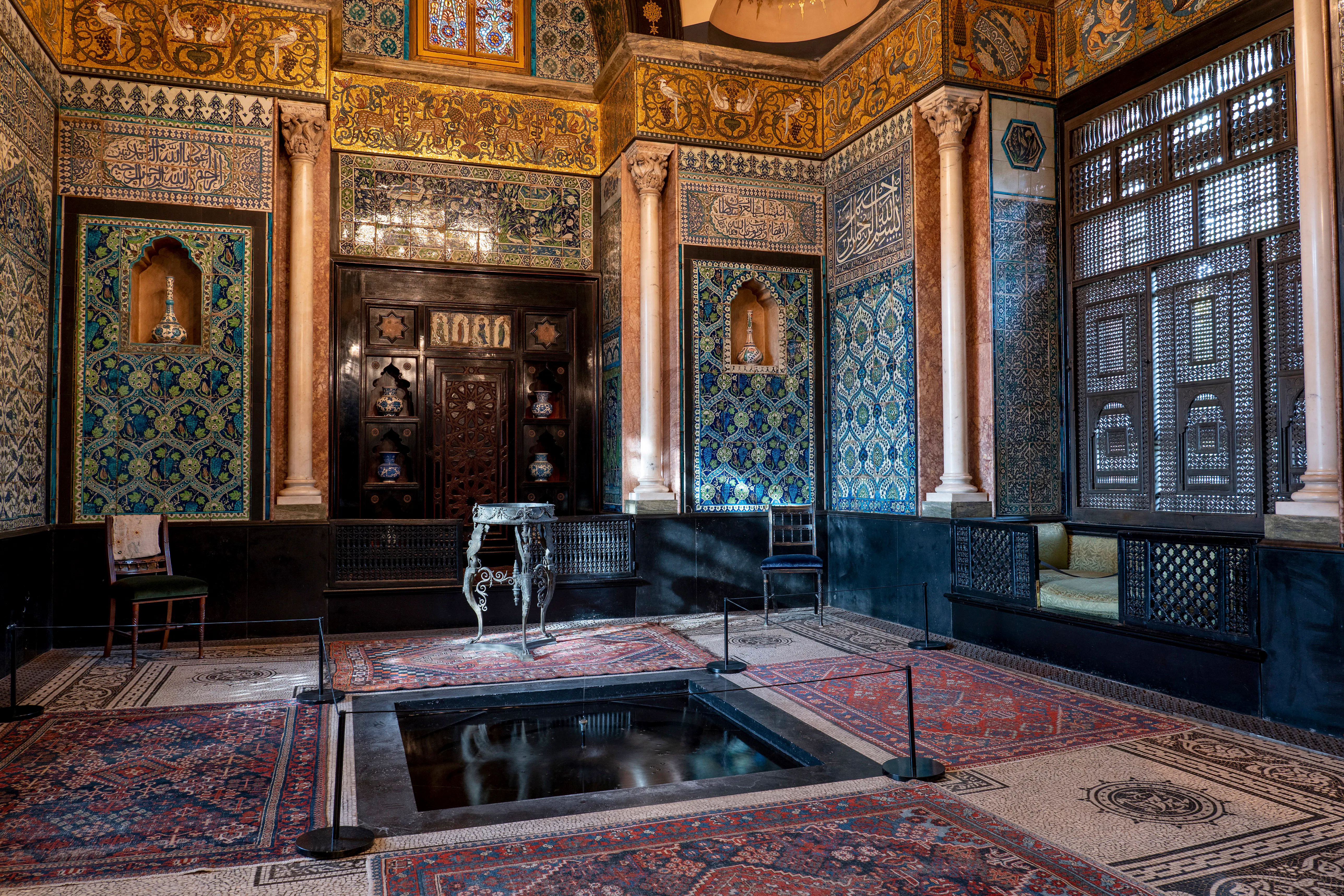
There are so many exciting events and publications dedicated to Islamic art, and many major cultural institutions offer permanent collections for viewing year-round. Some personal favorites include the Louvre in Paris, the Gulbenkian Foundation in Lisbon, the Topkapi Palace in Istanbul, and the V&A and Leighton House in London. Taking the opportunity to visit Islamic art collections worldwide is an excellent way to expand one's knowledge while gaining insights into some of the rarest objects in the field.
Finally, if you could ‘get your hands’ on one piece, what would it be?
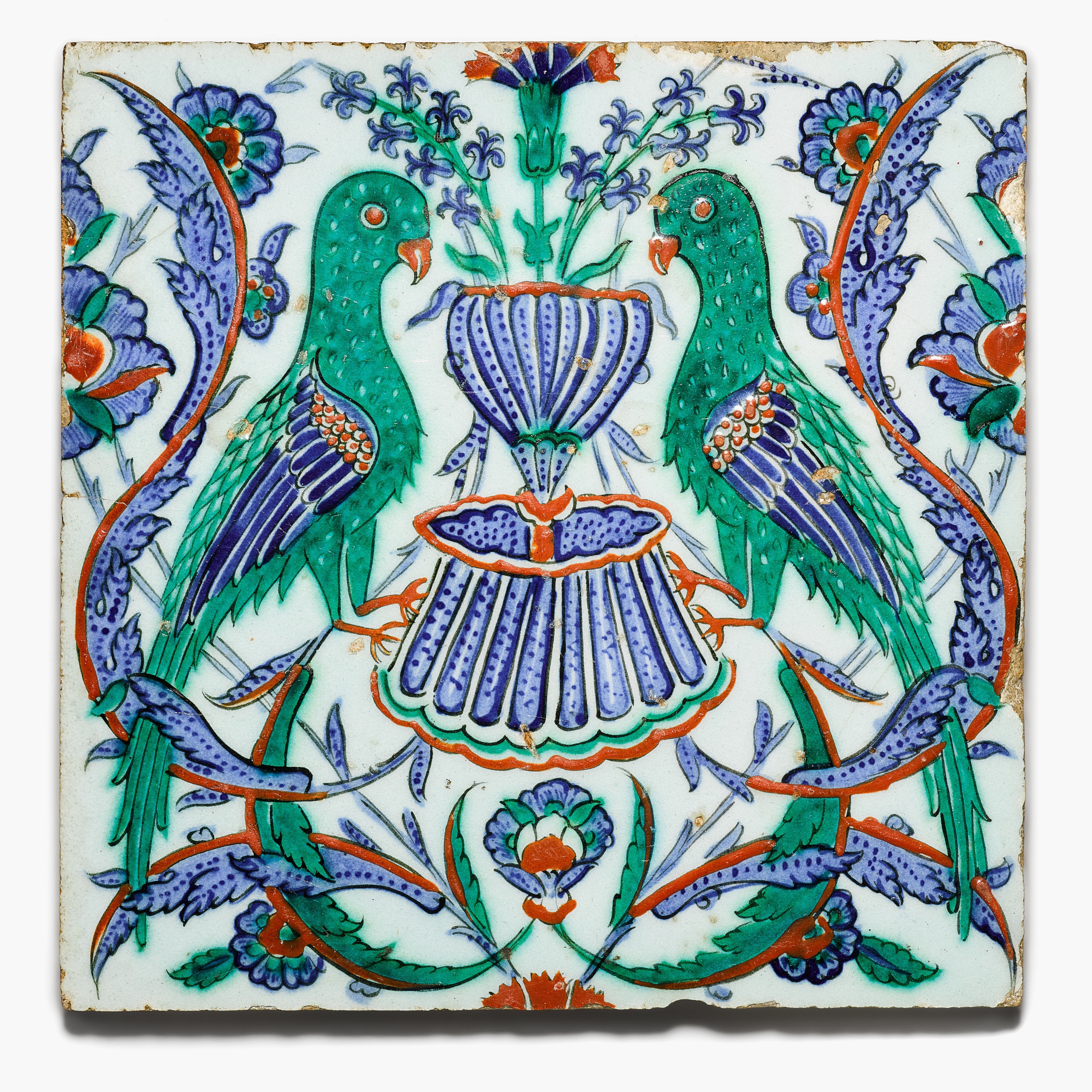
My mother passed on her love of ceramics to me; they are ubiquitous in Islamic arts and come in many shapes and techniques. It is hard to believe how much history is encapsulated in a single piece of ceramic. For instance, the art of Iznik ceramics under the Ottomans is the result of centuries of cultural exchange between Persia, China, and Turkey. I never feel luckier than when I have the opportunity to hold a piece that has survived for more than a millennium in my hands. Recently, I had the privilege of working with a rare, intact Abbasid dish dating back to the 9th/10th centuries, which will be featured in Sotheby’s forthcoming Arts of the Islamic World and India sale.

If I were to begin my own collection of Islamic ceramics, my first purchase would be a Hispano-Mauresque dish. These ceramics combine all the elements I cherish the most - lustreware, arabesques, vibrant Mediterranean colors, and the influence of the Italian Renaissance.
Sotheby's upcoming Arts of the Islamic World and India auction will take place on Wednesday, April 24 at Sotheby's London. Viewing will be available before the sale at the location from Friday, April 19. You can browse the catalogue here.