A fierce dispute over the future of Hilma af Klint’s artwork has erupted within the foundation responsible for preserving her legacy. At the heart of this latest conflict is whether her work should remain accessible to the public or be reserved only for a select few “spiritual seekers.” The battle among the trustees, which has already led to legal action, could reshape how the art world engages with one of modernism’s most visionary figures.
A Legacy in Dispute
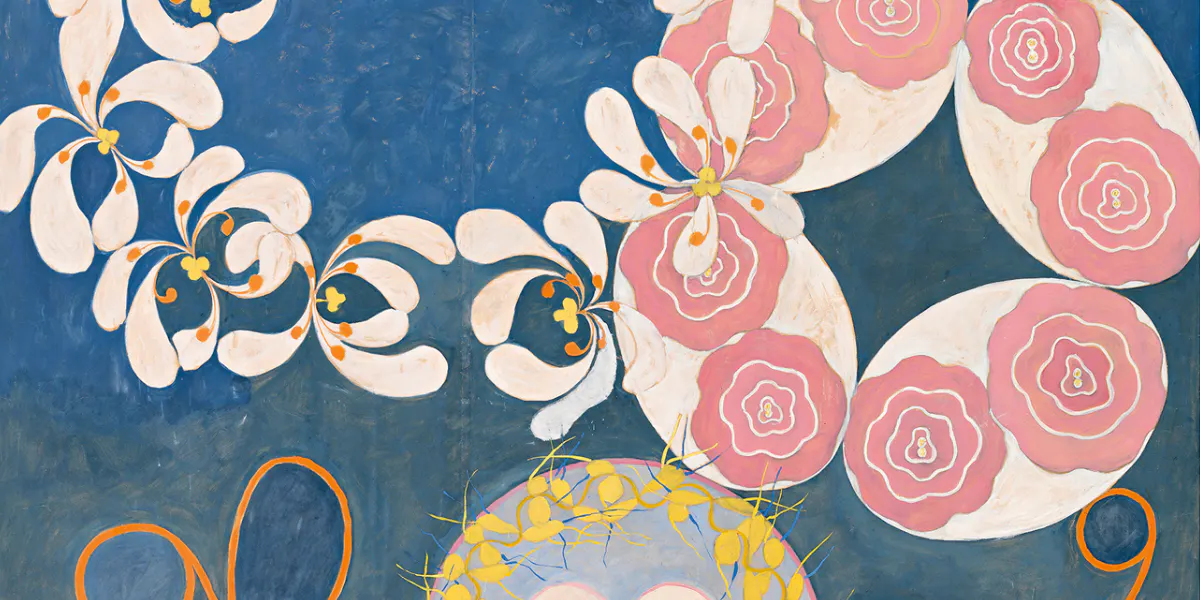
Hilma af Klint, now recognised as a pioneer of abstract art, remained largely unknown until the 1980s, when her work was featured in The Spiritual in Art, a group show at the Los Angeles County Museum of Art. Rooted in mysticism, her paintings were meant to be understood in a spiritual context, leading to long-standing debates about how they should be displayed. She left behind over 1,300 works, which her nephew, Erik af Klint, sought to preserve by establishing the Hilma af Klint Foundation in 1972 after Sweden’s Moderna Museet declined to accept them.
See also: Hilma af Klint: Non-figurative Pioneer
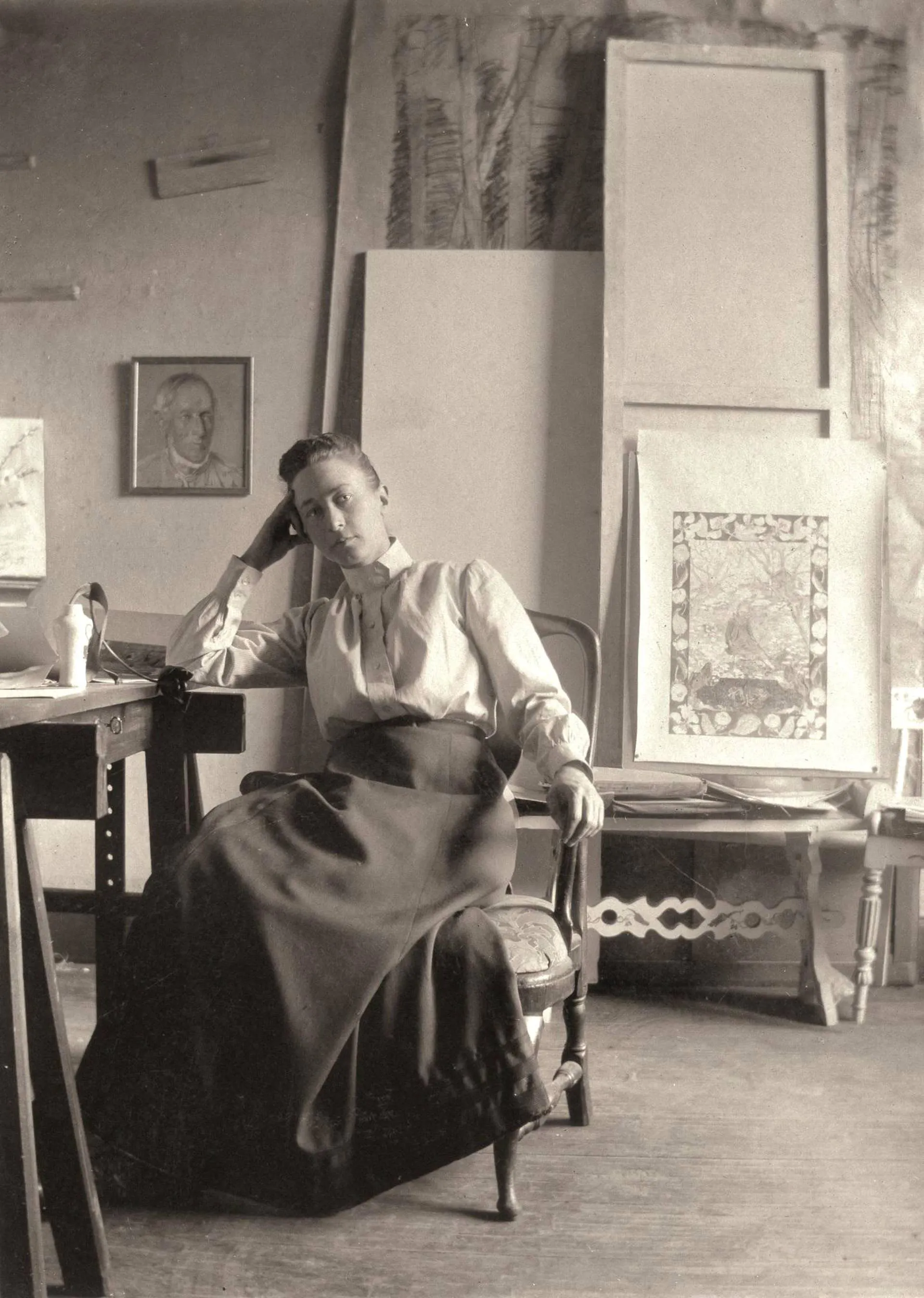
For decades, the foundation has worked to bring her art to the public. Landmark exhibitions at the Guggenheim, Tate Modern, and an upcoming MoMA show in May have cemented her reputation, drawing hundreds of thousands of visitors. But deep divisions have emerged within the foundation’s leadership over how her legacy should be managed.
The current foundation chair, also named Erik af Klint—Hilma’s great-grandnephew—believes these exhibitions betray her intentions. "When a religion ends up in a museum, it is dead," he told Dagens Nyheter, arguing that her paintings were never meant for mass audiences. Instead, he envisions a private temple where only those seeking "spiritual knowledge" can view the work. "It's not about what I want; it's about what the statutes of the foundation dictate," he told the Swedish press. Erik insists that making her paintings available to the general public violates the statutes, which state that her artwork should be accessible to "those who seek spiritual knowledge" and individuals who can help "fulfil the mission" envisioned by her "spiritual guides."
The foundation’s other trustees oppose this vision. They argue that the statutes require the work to remain accessible—not locked away. “The claim that only a select few may view the art is a gross misinterpretation of the statutes, the will of the founder, and Hilma’s intentions,” board spokesperson Varg Gyllander told Dagens Nyheter.
Want more articles like this straight to your inbox? Subscribe to our free newsletter!
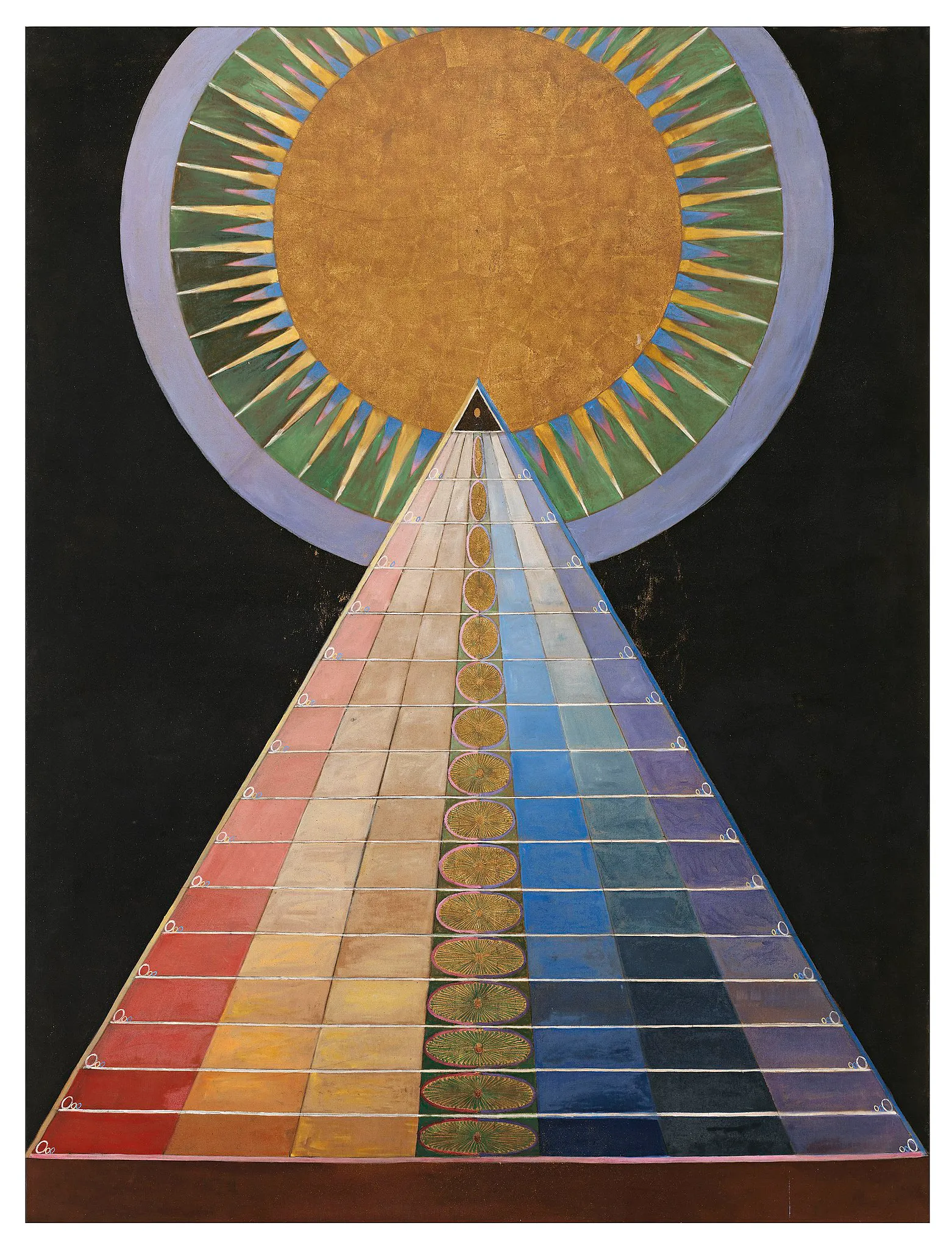
A "Hostile Takeover"
The foundation’s internal struggles came to a head in December 2024 when Erik blocked a proposed partnership with mega-gallery David Zwirner. Supported by a majority of the trustees, the deal would have overseen sales and exhibitions of af Klint’s work. Erik, however, saw it a “hostile takeover” that risked commercialising her legacy, as he told the Guardian.
Zwirner, in turn, accused Erik of sabotage. "The family members are operating against the best interests of Hilma af Klint,” he said, arguing that exhibitions and strategic partnerships are crucial for preserving her legacy.
While the foundation’s statutes prohibit the sale of her landmark Paintings for the Temple series (created between 1906 and 1915), other works can be sold to fund the preservation of the collection. Erik fears this loophole could lead to the sale of key pieces.
See also: Abstract Art: From Genre to Movement
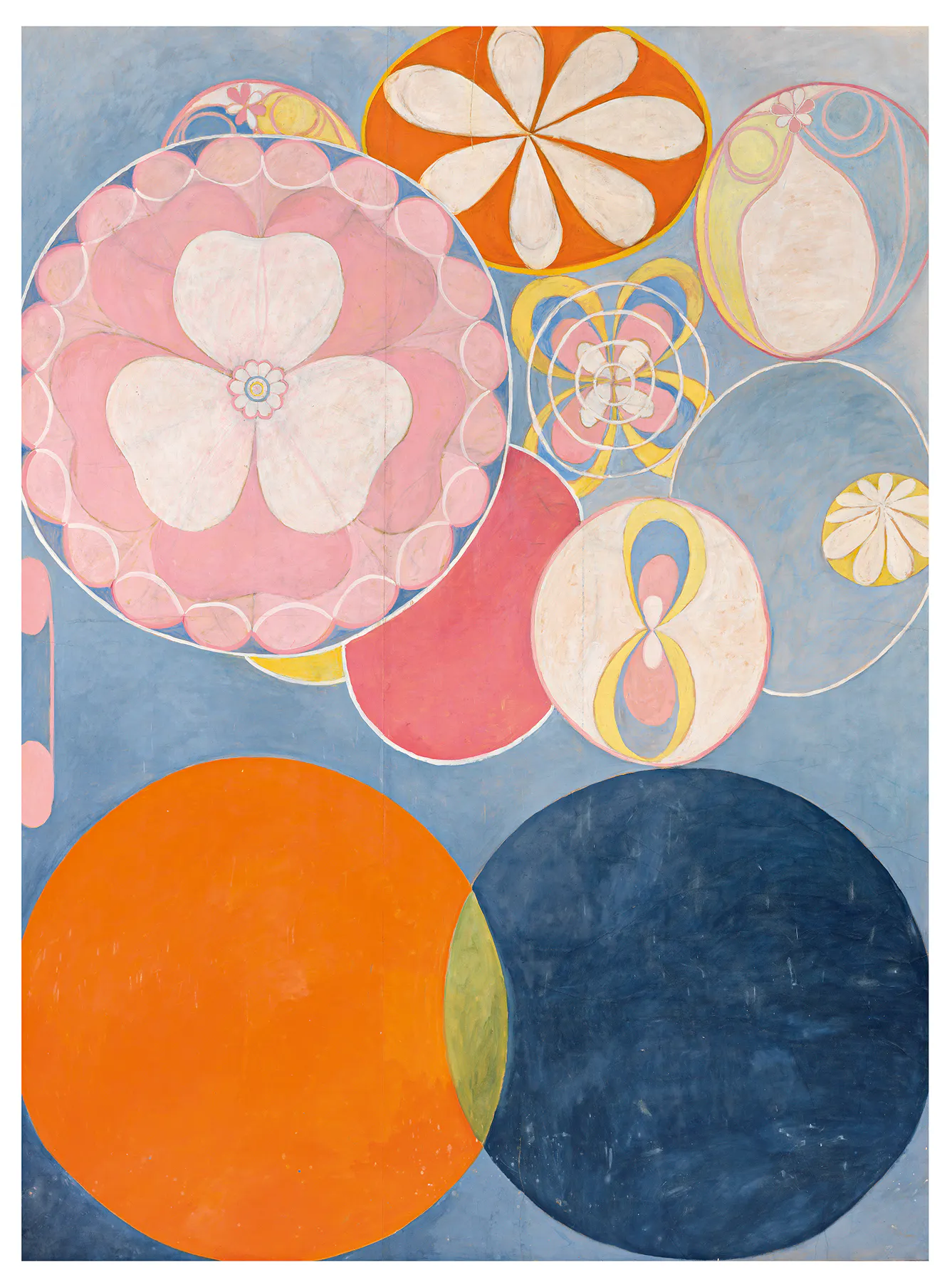
A Legal Showdown
In reality, Erik has limited authority to impose his vision since no other board member shares his stance. The statutes require that a majority of board members belong to the Anthroposophical Society, and four of them currently support the sales and exhibitions.
With no backing from the board, Erik has turned to the courts. He has filed lawsuits against the foundation’s trustees, alleging unauthorised deals and financial mismanagement. His latest move—a petition to the Stockholm District Court—aims to remove the board members entirely.
If he fails, he has vowed to resign, leaving the future leadership of the foundation uncertain.

![Britta Marakatt-Labba, Mátki II, 1989/2021 [Färden II /The Journey II] Embroidery and appliqué on cotton/Sákkaldagat ja applikašuvnnat bumbolullu nalde/Embroidery and appliqué on cotton 41,5 × 70 cm Moderna Museet, Stockholm © Britta Marakatt-Labba/Picture copyright 2025 Photo/Photo: Tobias Fischer/Moderna Museet (detail)](https://images.prismic.io/barnebys/aCbw1SdWJ-7kSMzl_Untitleddesign-1-.png?auto=format,compress)