
I think my novel is about the best American novel ever written.
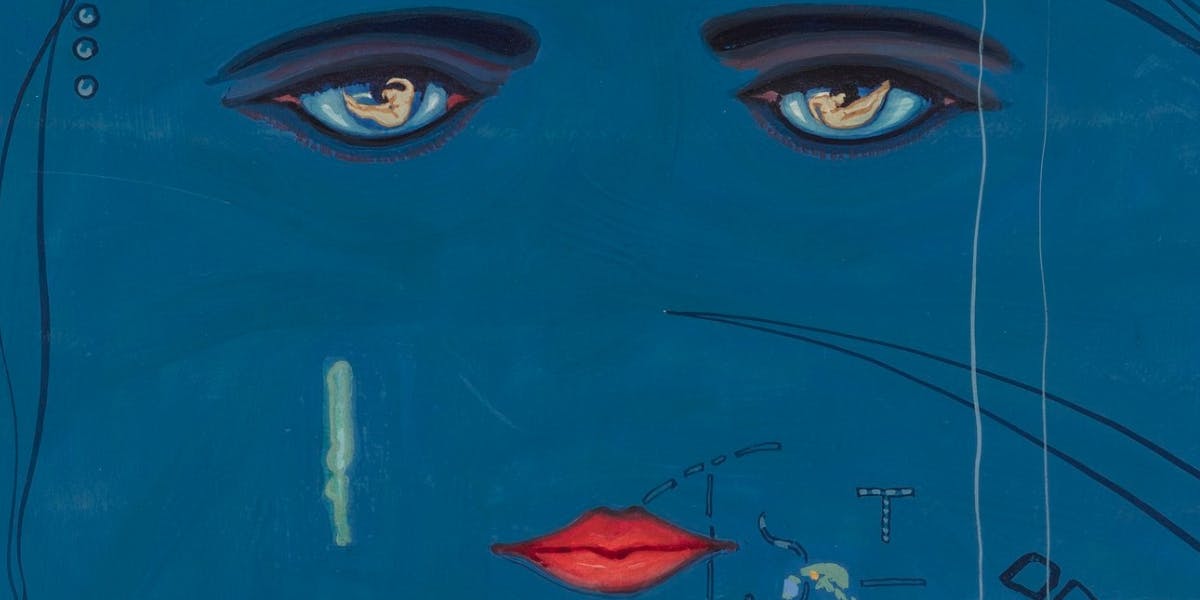
F. Scott Fitzgerald's The Great Gatsby is often considered the greatest American novel, and it may also boast the best book cover, which was designed by Spanish artist, Francis Cugat (1893-1981).
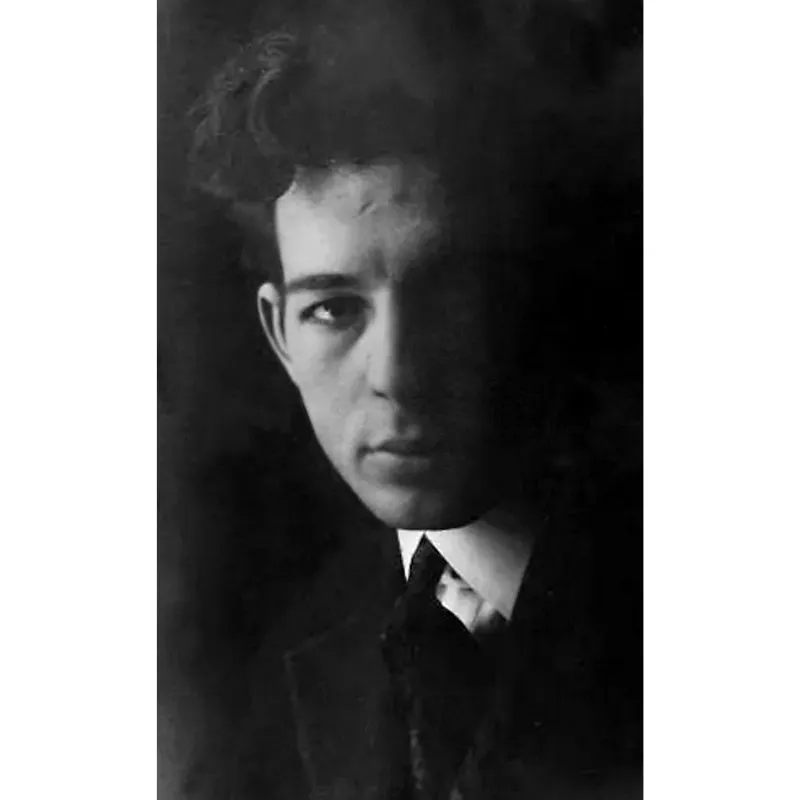
The artist, who studied at the Ecole des Beaux Arts in Paris, was well known in Europe, South America and Cuba before moving to New York in the early 1920s. He continued his career as a film poster artist in Hollywood in 1925, a year after he was commissioned to create the cover for Fitzgerald's The Great Gatsby.
Related: 7 Greats and Their Favorite Fountain Pens
The year was 1924 and F. Scott Fitzgerald was behind on his deadline and needed a cover. He commissioned Cugat to create the cover art, but the artist had little to go on apart from conversations with Fitzgerald and the working title. Cugat was paid $100 to create the artwork for the cover (equivalent to about $1,700 today).
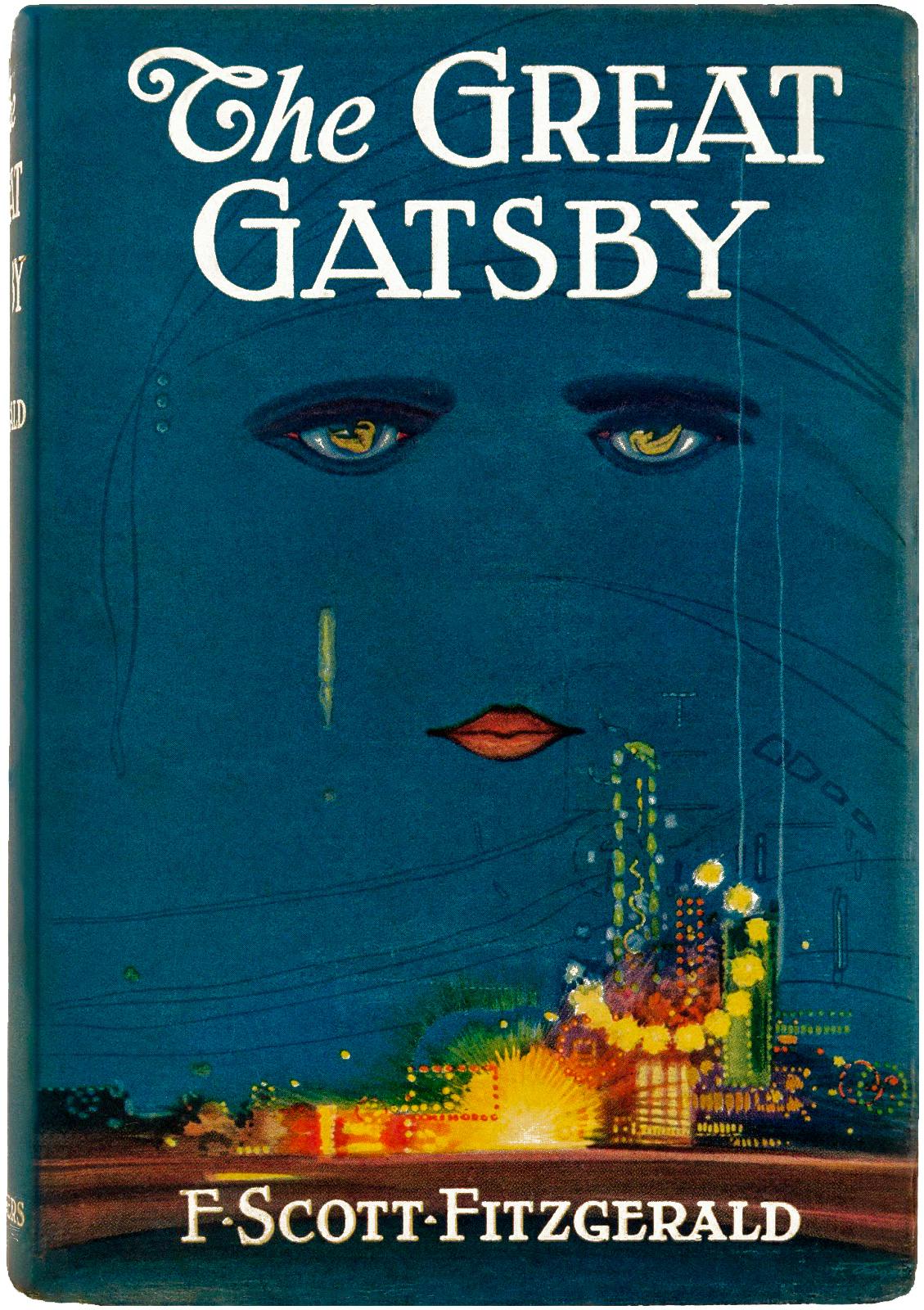
With nothing but an incomplete manuscript for inspiration, Cugat began picking out details from Fitzgerald's would-be American classic. And did he get it right. The working title of the piece in 1924 was Among the Ash Heaps and Millionaires which echoes the completed text's 'valley of ashes' from chapter two. The desolate landscape Cugat had originally designed for the cover would later be transformed into the bright lights of what is presumably New York City.
Related: The Best Selling Novel of All Time
The eyes, which would become a central piece of imagery in The Great Gatsby, played an important role in Cugat's visual interpretation of the novel. A pair of sorrow-filled eyes and red lips float adrift the night sky above a glowing cityscape. Sadness, excess, hedonism and tragedy: Cugat's eyes evoke all the novel's core themes. But who exactly they belong to has been the subject of many scholarly debates for almost 100 years.
Do they belong to Daisy, Gatsby's reckless lover, whose "voice is full of money," as the protagonist describes it? Or are they the eyes of Doctor T. J. Eckleburg, which loom above the "valley of ashes" on a billboard, omnipresent throughout the novel...
Want more articles like this straight to your inbox? Subscribe to our free newsletter!
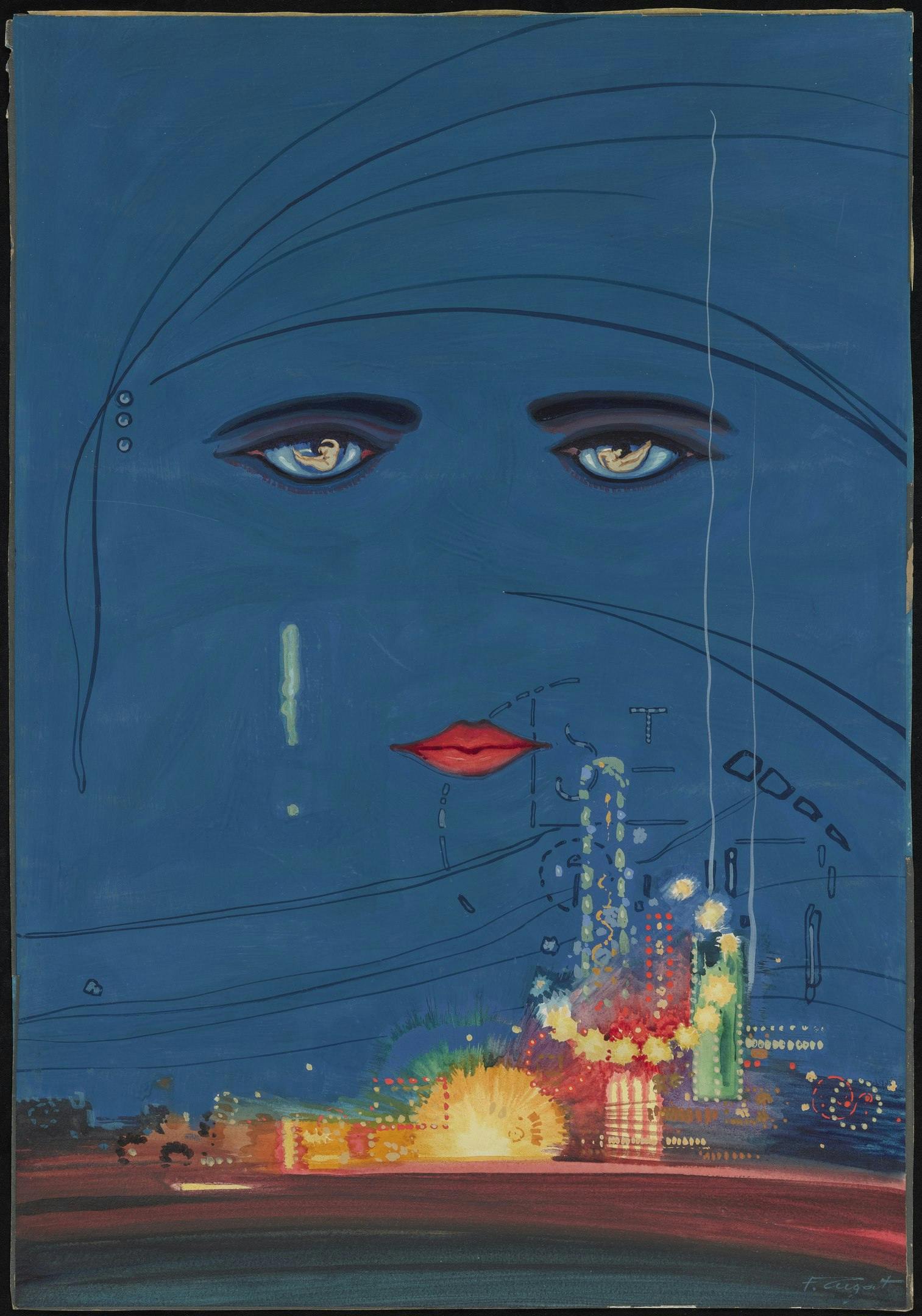
Cugat's gouache work, titled Celestial Eyes, was completed in 1925. However it was a source of contention for heavyweights in the literary and publishing world. With the cover completed before Fitzgerald had dotted the last sentence, he reportedly told his editor, Max Perkins, "For Christ’s sake, don’t give anyone that jacket you’re saving for me. I’ve written it into the book."
Related: The Cocktails that Inspired History’s Creatives
While Fitzgerald was in love with the cover, his contemporary and close friend Ernest Hemingway was not so taken by Cugat's work. The literary pair famously had a tumultuous relationship, with minimalist writer Hemingway often critiquing Fitzgerald for his flowery language.
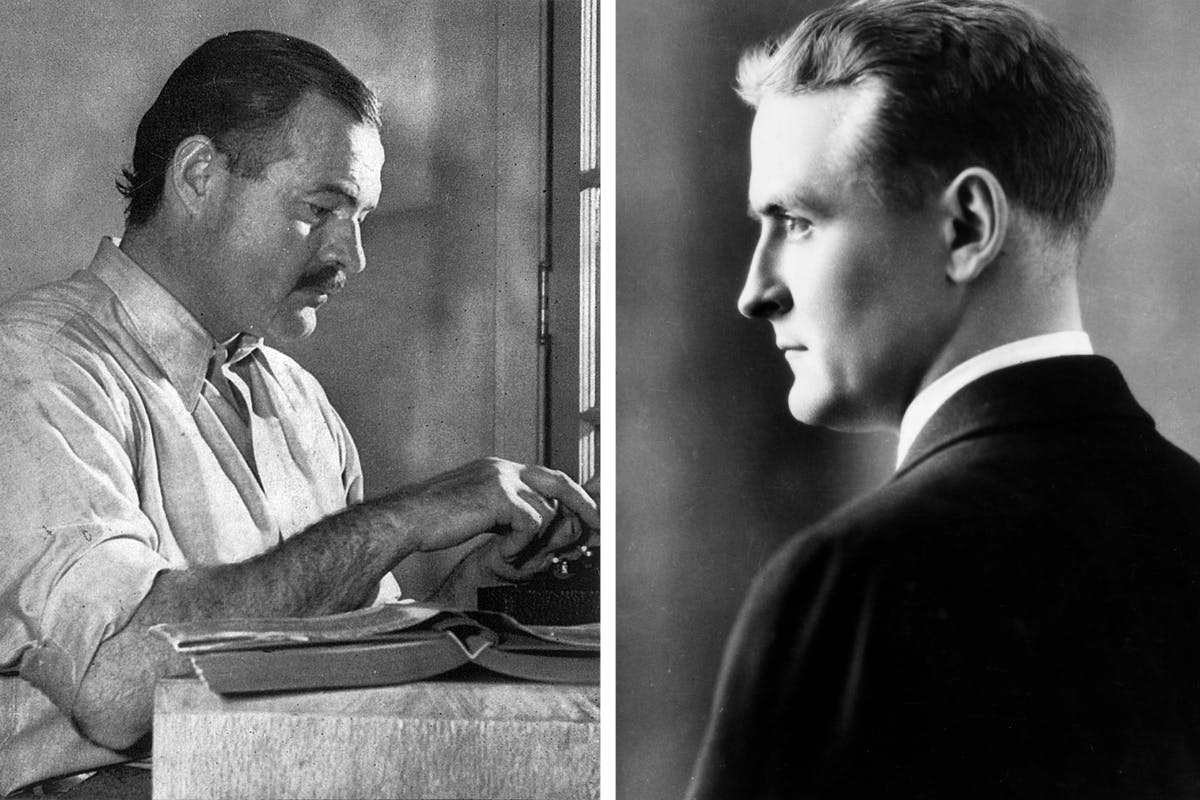
In Hemingway's posthumously published memoir A Moveable Feast (1964) he wrote: "Scott told me not to be put off by it, that it had to do with a billboard along a highway in Long Island that was important in the story. He said he had liked the jacket and now he didn't like it." Commenting that the cover was "garish" and looked like something from a "bad science fiction" novel, Hemingway allegedly removed the dust jacket the first time he read Fitzgerald's novel.
Related: From Detectives to Dystopia: 3 Authors and Their Top Works
After the first edition was released with Cugat's cover, the novel was published with different covers over the next 40 years. It was not until 1979 that Charles Scribner III decided to bring Cugat's original design back to bookshelves around the world. Scribner inherited the original cover from his cousin, George Schieffelin, who discovered it in a bin labelled "dead matter." Today, Cugat's original artwork for The Great Gatsby is part of the Princeton University Library's Graphic Arts Collection.
First editions of The Great Gatsby with the famous cover can reach six-figure prices at auction today. The record was set when a first edition sold for $377,000 at Sotheby's in 2014.