
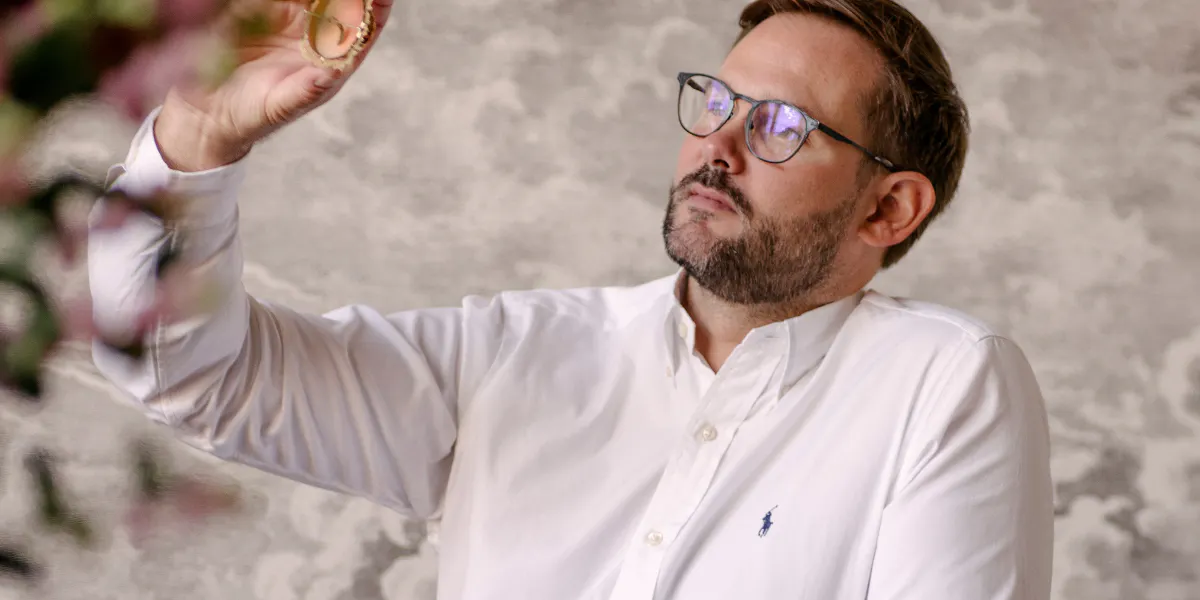
Barnebys: What is Hofer Antikschmuck and what does the company specialize in?
Simon Hofer: Hofer Antikschmuck is an owner-operated company from Berlin. Our carefully curated online shop for antique jewelry is one of the largest and most diverse in all of Europe. Our focus is on original historical pieces from the Rococo to the Art Deco periods. Antique engagement rings are a particular specialty.
We combine in-depth art historical analysis with gemological and scientific examination, as well as personalized consultation.
What is the story behind the logo of Hofer Antikschmuck?
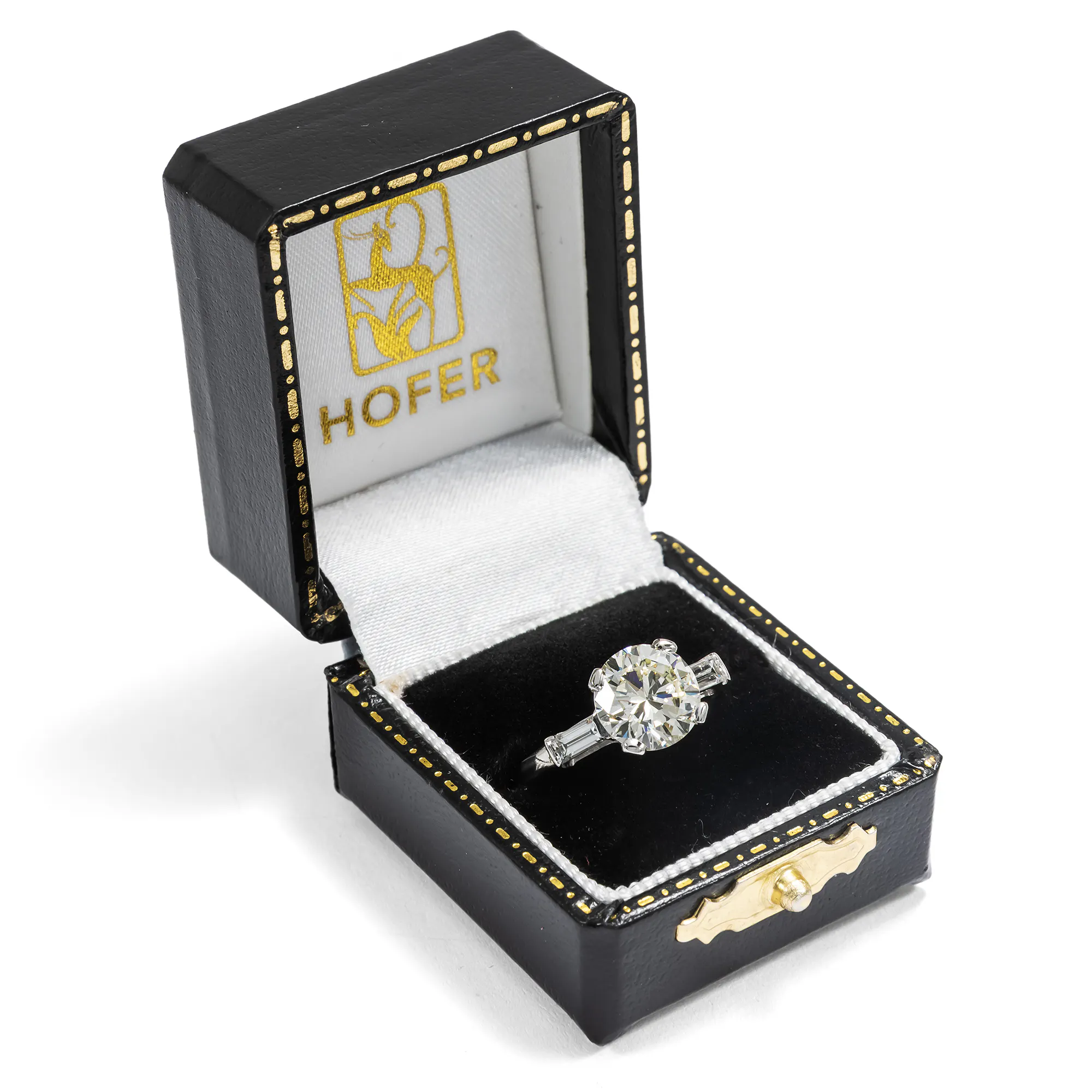
Our logo is based on an antique piece of jewelry from the 1920s that I discovered in Denmark. It depicts a gazelle leaping in one direction but looking in the other.
For me, this motif combines two aspects that also characterize our work: a forward-looking perspective and an appreciation for the past. We work with historical jewelry but utilize modern forms of commerce and communication. Therefore, the gazelle seemed a very fitting symbol for Hofer Antikschmuck.
How did Hofer Antikschmuck originate?
Hofer Antikschmuck has evolved over many years. While studying art history, I would buy historical jewelry pieces that I discovered at auctions and then would offer and sell them at select antique markets.
In 2010, I met Joe Dröge, who was working as a business graduate in a large corporation at the time, and we quickly realized that our different knowledge and skills complemented each other very well. In May 2011, we founded Hofer Antikschmuck in its current form.
Since then, the company has grown steadily. Today, we work with a team of art historians, highly skilled goldsmiths, experienced gemologists, accomplished photographers, and other specialists. It is our expertise, acquired over many years in the industry, and our personalized service that distinguishes us and sets us apart from other companies.
What fascinates you personally about antique and historical jewelry?
Historical jewelry pieces embody the ideas, technical possibilities, and aesthetic concepts of their respective eras. They tell us something about fashion, craftsmanship, trade routes, available materials, and societal notions of beauty.
For me, they are therefore not just beautiful objects, but also sources that tell us something about our past. A piece of jewelry often reveals which techniques were mastered, what materials were available, and the influences that shaped an era.
In addition, many pieces boast exceptional craftsmanship. Individual shapes, fine details, and historical gemstone cuts lend them a character that clearly distinguishes them from industrial mass production.
What is the difference between antique, historical, and vintage jewelry?
The terms are not always used consistently in the industry. Historical jewelry is initially a general term for jewelry pieces from past eras.
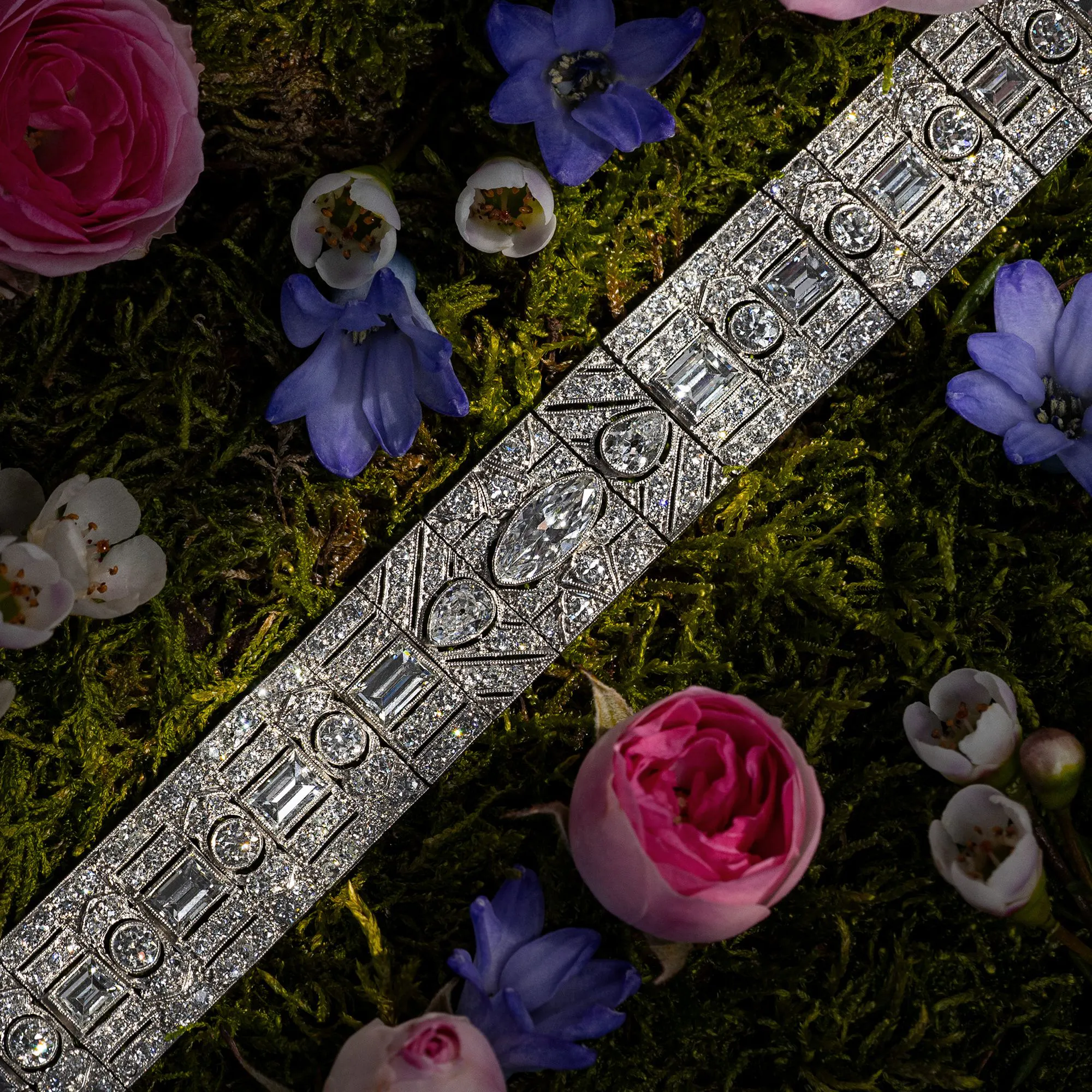
We define antique jewelry as pieces that are over 100 years old or at least predate World War II. For us, antique jewelry includes a piece from the Baroque period, a pendant from 1890, and an Art Deco ring from 1930.
The term "vintage jewelry" is used for jewelry pieces from around 1950 onwards and is often associated with specific styles. However, the term is not uniformly defined.
Accurate historical classification is important to us. Therefore, for each piece of jewelry, we describe as precisely as possible the period of origin, the style, the materials used, and the condition. If a date or attribution cannot be definitively established, we indicate this accordingly.
What eras and styles can customers find at Hofer Antikschmuck?
Our focus is on jewelry from the late 19th and early 20th centuries. This includes in particular the Belle Époque, Art Nouveau, and Art Deco.
However, we haven't set any rigid epochal boundaries. What's important to us is the quality of the design, the craftsmanship, the historical significance, and the unique character of each piece. That's why you'll occasionally find jewelry from the Classical period, Mid-Century jewelry, or even contemporary goldsmithing in our collection.
However, this doesn't mean we only offer museum-quality treasures. You'll find jewelry for every occasion in our collection: from everyday pieces to unique collector's items.
What criteria do you use to select the jewelry for your collection?
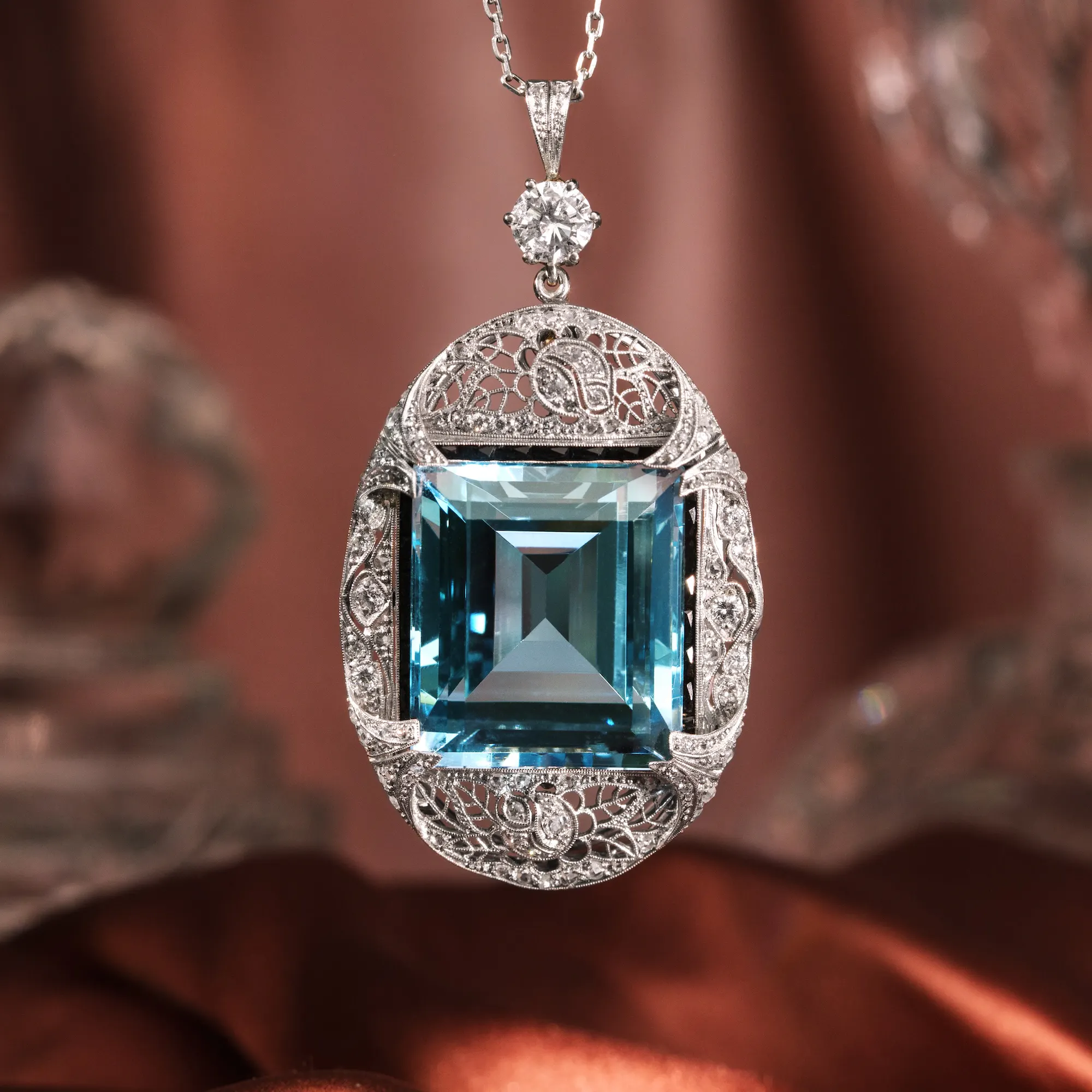
I personally and very deliberately select most of the pieces in our collection. For me, it's not just about the age or the material value; what matters most is the design, the craftsmanship, the condition, and the historical context.
A piece of jewelry should have its own personality. It doesn't always have to be spectacular. Often, it's precisely the understated pieces with a special proportion, a delicate engraving, or unusual craftsmanship that win me over.
Where do the pieces of jewelry at Hofer Antikschmuck come from?
We maintain many personal contacts with other dealers, participate in international auctions, and buy at selected antique markets, especially in France and England.
Furthermore, private individuals occasionally offer us jewelry from estates or their own collections. If a piece meets our quality criteria, and we can meaningfully assess its history and condition, we gladly acquire it.
But what's most important to me is the search itself. If I can find a rare piece of jewelry at an antique market at dawn with my magnifying glass, then I'm truly in my element.
How are the pieces of jewelry inspected before being sold?
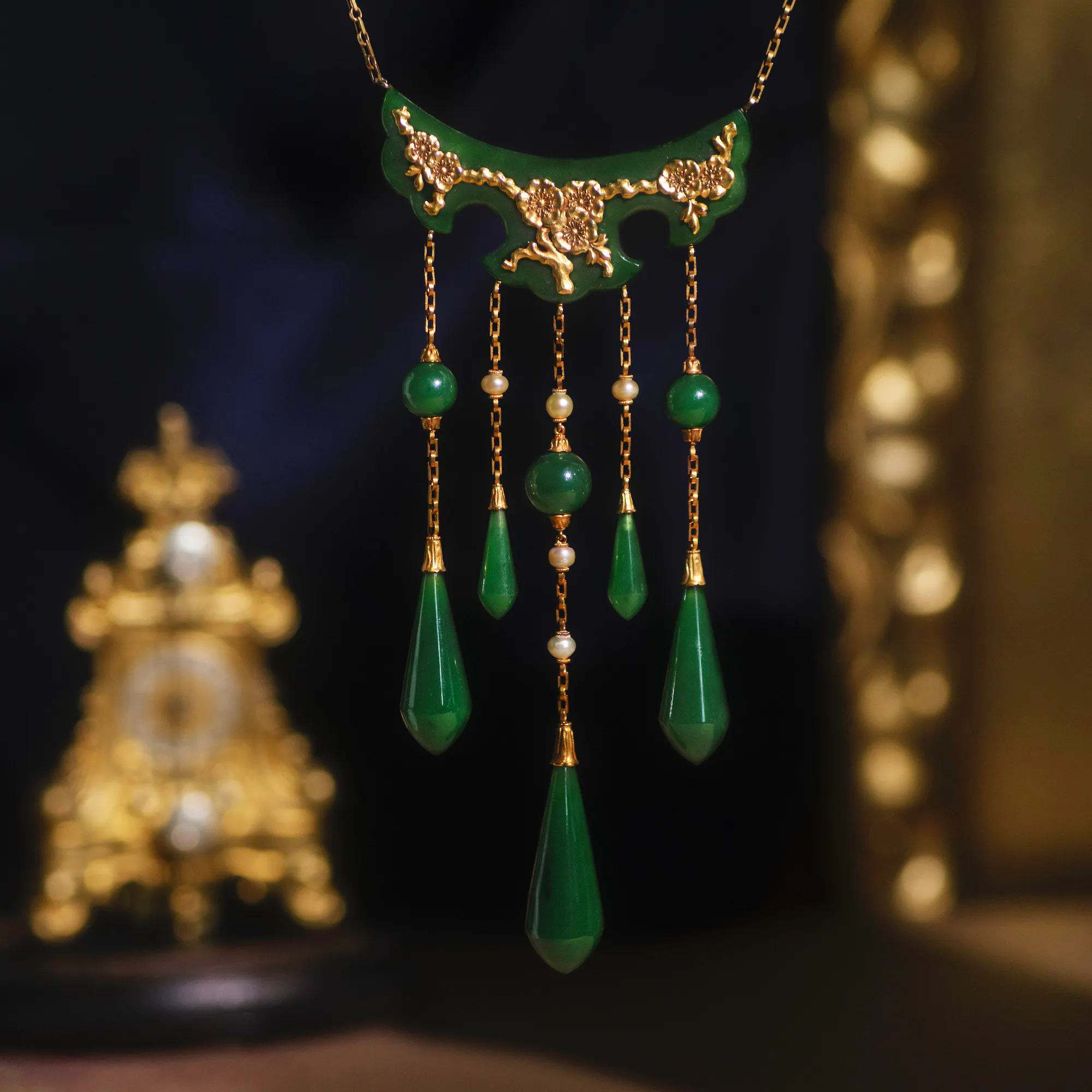
After purchase, each piece of jewelry is carefully examined. This includes assessing its technical condition, the materials used, the gemstones, and, last but not least, its historical significance.
Our goldsmith checks, among other things, whether the stones are securely set and whether repairs are necessary. Depending on their condition, pieces are cleaned, restored, or deliberately left in their original state.
The gemstones are then examined by our gemologist, Florian Horsthemke. We maintain our own laboratory equipped with modern testing methods. For particularly precious or rare stones, we also consult external laboratories for a second opinion.
Our art history team then categorizes the object in its historical and stylistic context. Simultaneously, our photography team takes the product photographs before the piece of jewelry is added to the online shop with a detailed description.
Which pieces of jewelry are currently in high demand?
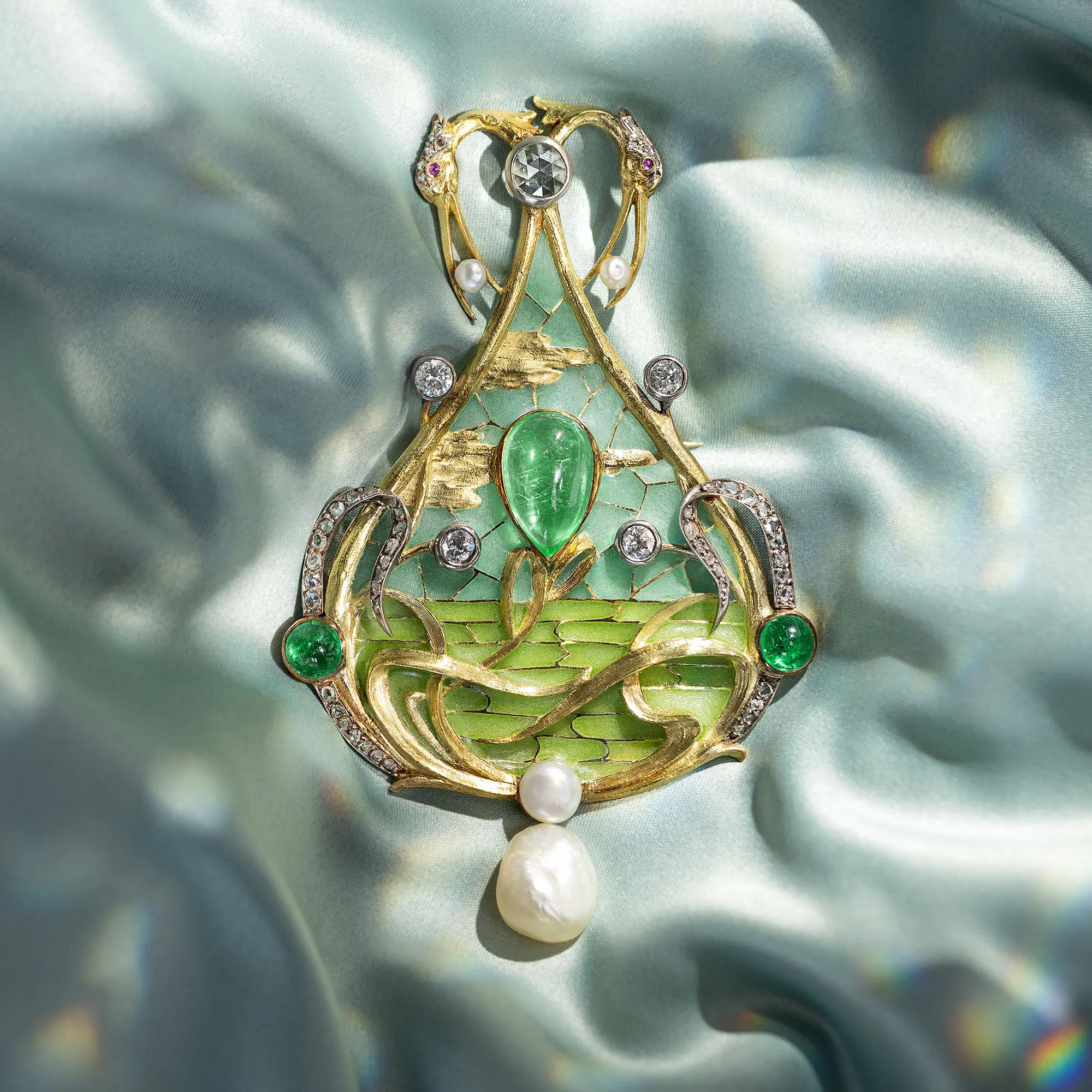
Jewelry from the Art Deco period is currently in high demand, especially rings and earrings. Antique engagement rings are also frequently sought after, particularly those with a clean design, a beautiful diamond, or a colored gemstone.
Old-cut diamonds, such as the Old Mine Cut, also play an important role. They are distinguished by their individually crafted cuts, where the proportions and facets were still determined by hand and the trained eye of the cutter. As a result, each stone possesses its own unique brilliance and distinctive character.
In our view, brooches are experiencing a revival time and again. They are versatile and can quickly give a simple outfit a unique touch.
What makes antique engagement rings so special?
Antique engagement rings combine a deeply personal meaning with the history and ideas of bygone eras. Many customers consciously seek a unique, individual piece with history and character, not a mass-produced ring.
Antique engagement rings from the Belle Époque, Art Nouveau, and Art Deco periods are particularly sought after. Rings with old-cut diamonds, colored gemstones, special engravings, or unusual settings are also frequently in demand.
What should customers look for when buying an antique engagement ring?
First and foremost: choose according to your personal taste. Antique jewelry pieces are unique, one-of-a-kind items, and there are as many different styles and designs as there are pieces. Our selection provides a good overview.
However, customers shouldn't focus solely on the appearance when purchasing an antique engagement ring. A comprehensible description of the date, materials, and condition is equally important. Therefore, we provide a detailed written certificate with every piece of jewelry, documenting all the details for future reference.
The quality of the gemstones and whether the desired ring size is technically feasible are also important. A reputable dealer can clearly explain these points. Especially with an antique engagement ring, it's crucial to consider whether the piece can be worn permanently.
Is there a discovery that particularly stands out in your memory?
Over the years, there have been several pieces whose history has particularly interested me.
An extraordinary object was a carved agate figure of a monkey with diamond eyes, which we discovered at an auction in Cologne. I was initially drawn to its unusually fine craftsmanship and the diamond-encrusted eyes. Based on its design and workmanship, we were able to attribute the figure to Carl Fabergé.
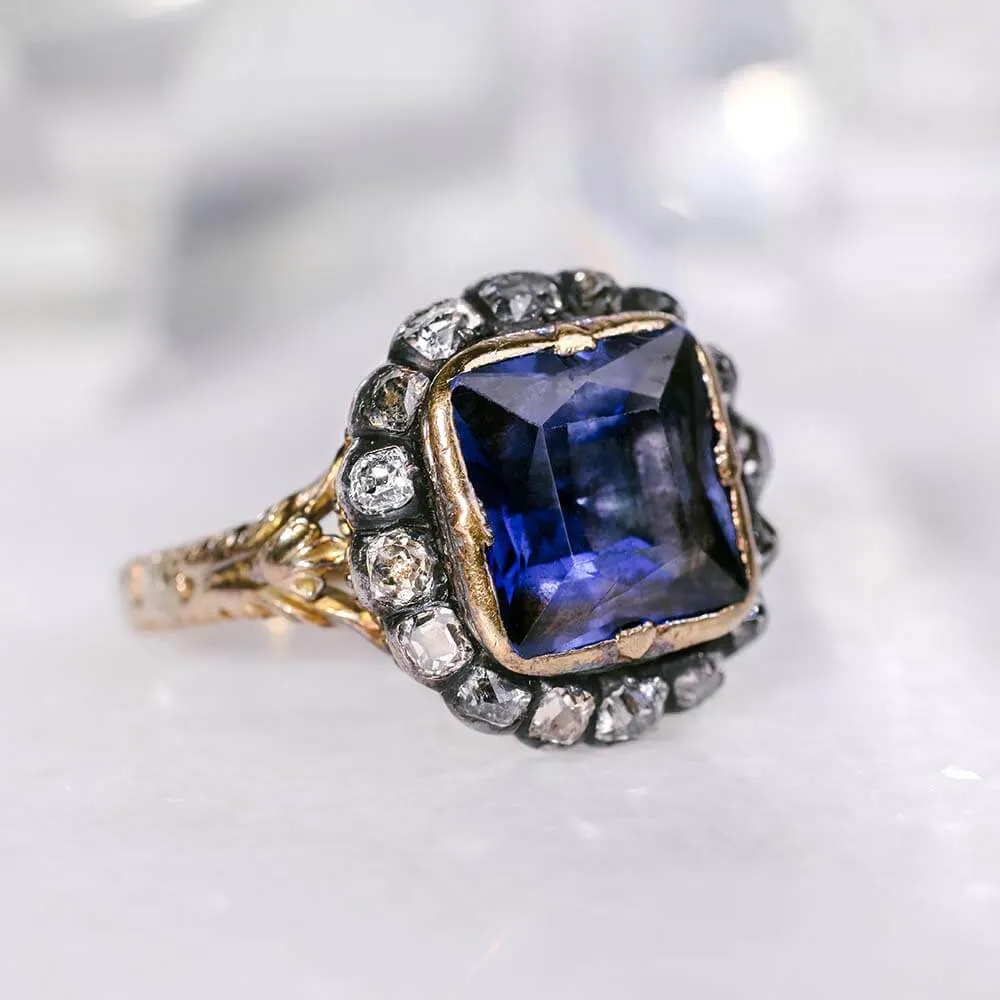
Another piece of jewelry was a ring with a large sapphire that we discovered at an auction in southern Germany. The stone, and the style of its setting, reminded me of the jewelry sets of Augustus the Strong in Dresden's Green Vault. Our research and evaluation of the available documents suggested that the ring was originally crafted from a waistcoat button belonging to Augustus the Strong. We were later able to place the piece with a trustee of the Victoria and Albert Museum in London.
Stories like these demonstrate just how closely material, design, and historical research are intertwined when it comes to antique jewelry.
What makes an antique piece of jewelry special to you?
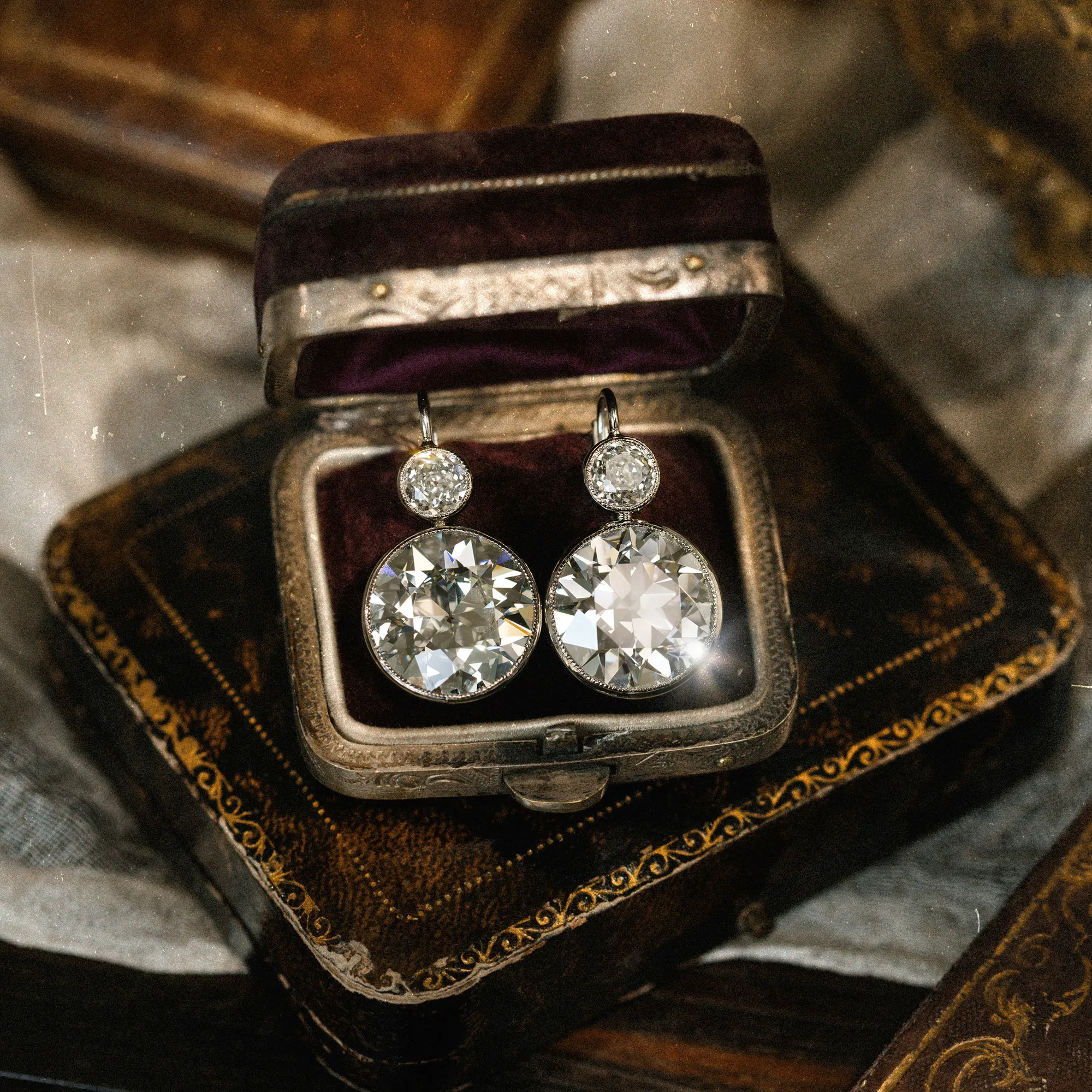
Some time ago, we had the opportunity to acquire a very extensive private jewelry collection. It included several very simple, yet high-quality and rare pieces. Particularly impressive were two pairs of earrings with old-cut diamonds. One pair had a total weight of more than 24 carats, and the other over 32 carats, each split between two stones.
What fascinates me about such pieces is that they don't necessarily need to impress with an elaborate design. With high-quality antique diamonds, the proportions, cut, light performance, and craftsmanship in the setting alone can create an extraordinary impression.
Is antique jewelry sustainable?
An existing piece of historical jewelry doesn't need to be newly produced. This is an important aspect of its sustainability. For us, sustainability is not an isolated concept, but rather interconnected with longevity, repairability, quality, and the responsible use of existing resources. A well-crafted piece of jewelry can be worn and passed down through generations.
How can customers purchase antique jewelry from Hofer Antikschmuck?
Our online shop is our most important sales channel. Customers can browse our entire collection there, 24/7. Our website offers detailed descriptions, information on materials, dimensions, condition reports, and extensive photos and videos. For us, the online shop is also our window to the world. We share exciting insights into the world of antique jewelry daily on our Instagram channel, @hoferantikschmuck.
Furthermore, we are happy to advise customers via email, telephone, and in person at our showroom in Berlin-Kreuzberg. Visits are possible from Monday to Friday by prior appointment.
We deliberately decided not to have a physical store with fixed opening hours because we want to prepare for each appointment individually and allow ample time for consultations. Customers can tell us in advance which pieces of jewelry they are interested in. We then put together a selection and present the pieces in person.
We also offer free worldwide shipping, and our packages are shipped daily with established shipping providers.
You also lend jewelry for museum exhibitions and film and television productions. Who would you like to outfit for an awards ceremony?
Off the top of my head, I'd say Sandra Hüller. She has a strong presence without having to define herself by classic Hollywood glamour codes. I find that very exciting.
Historical jewelry looks particularly compelling on individuals who bring their own unique style to it. For her, I could imagine a distinctive, characterful piece, such as a sculptural Art Deco brooch or unusual vintage earrings.
Because that is precisely our conviction: Historical jewelry does not have to look nostalgic, but can appear modern and confident.
We thank Simon Hofer for the interview and wish him and Hofer Antikschmuck continued success. Here's to the next 15 years!
Discover Hofer Antikschmuck's antique jewelry selection on Barnebys!

![Photo by Michal Matlon via Unsplash [detail]](https://images.prismic.io/barnebys/738766d7-2cc7-4258-9028-f5c634a4d9d3_Cover+final.jpg?auto=compress,format)