

The prominence of the stone was emphasized during the fifth century BC, when Confucius associated it with virtues such as beauty, gentleness, and benevolence, and announced that he considered the stone one of the pillars of Chinese civilization.
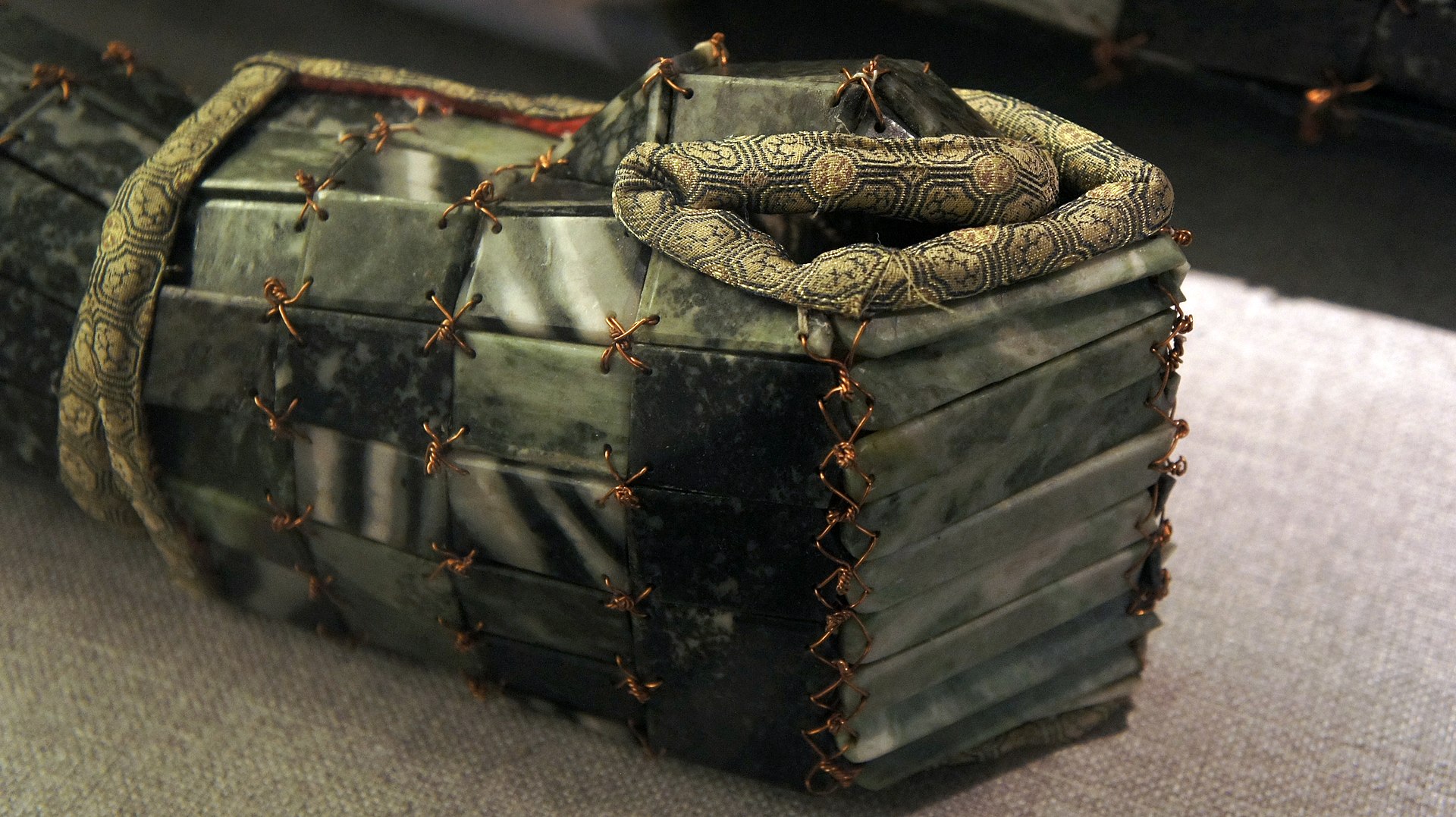
Later on, jade became a symbol of purity in China, and pendants were placed around the necks of the deceased in order to cleanse them before entering the kingdom of the immortals. During the Han dynasty, it was popular to bury emperors in suits of jade woven together with gold – that belonging to the ruler Zhongshan from the 2nd century BC is said to contain 2,498 pieces of jade, clearly signaling his wealth and importance.
Related: Tiffany: the King of Diamonds
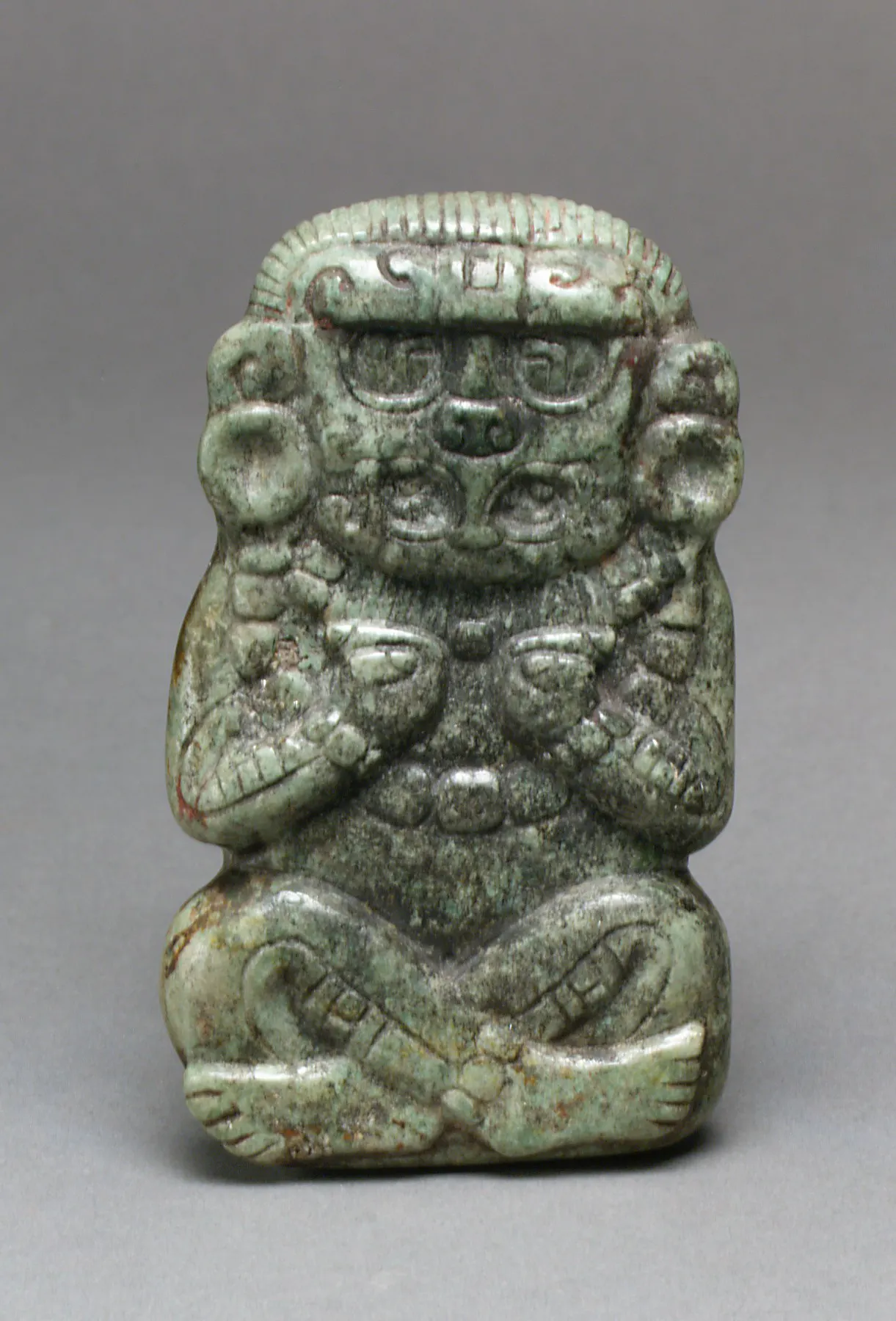
Jade is not only found in Asia: although there are notable deposits in northern Myanmar and China’s Xinjiang province, there are also veins in Guatemala, Brazil, California, Canada, and New Zealand. Subsequently, jade has been or still is an important material to Mayan, Aztec, American Indian, and Māori populations as well as many other civilizations across the world. In China today, jade still makes an honorary appearance on important objects, such as on the medals for the 2008 Beijing Olympic Games.
Related: Snuff Bottles: Still up to Snuff
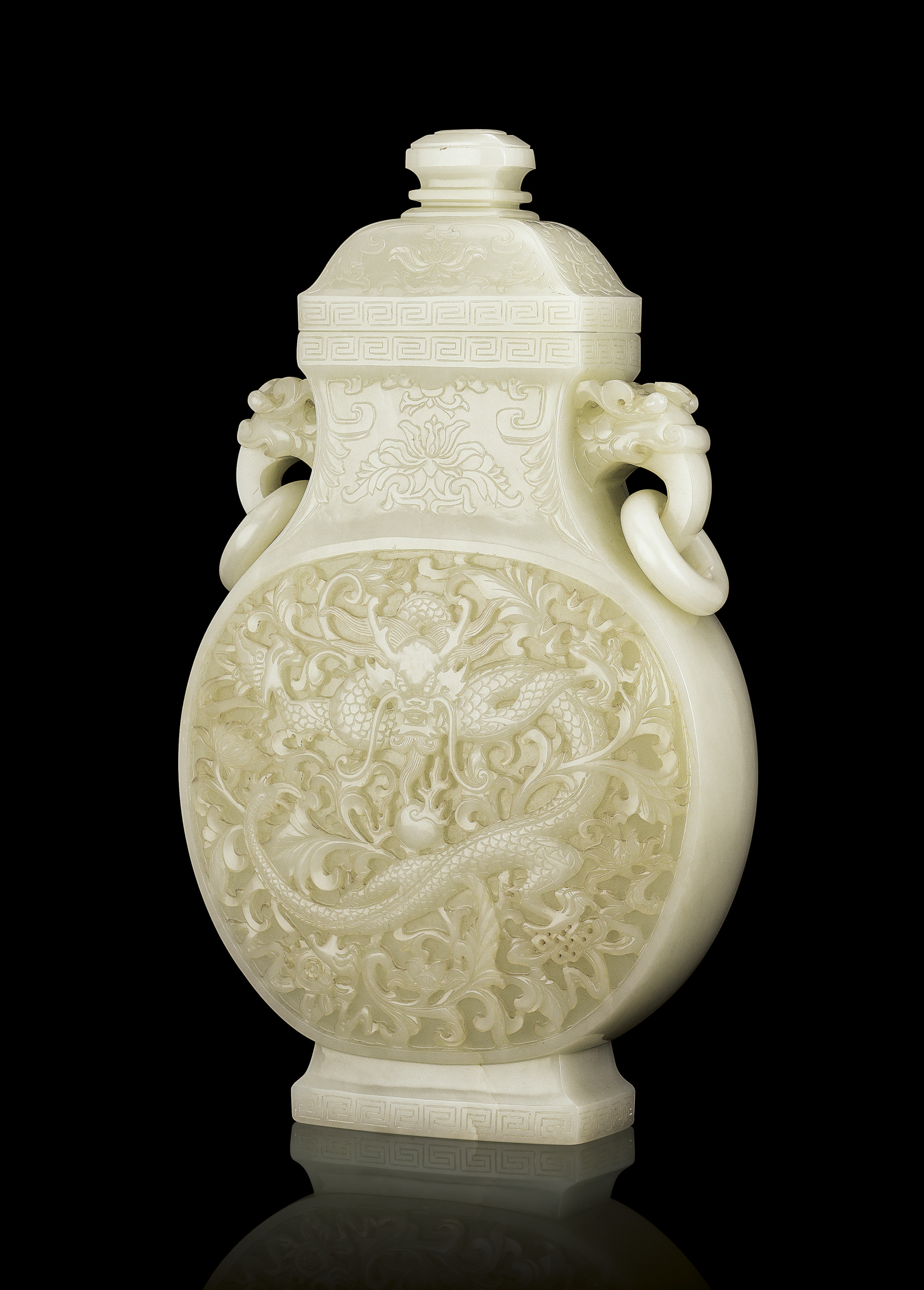
But what makes this stone so precious, and what exactly characterizes it? To begin, jade is not systematically green, contrary to what many people think. Composed of two distinct minerals – nephritis and jadeite, to be specific – its color can vary from creamy white to intense black, pink, or mauve depending on the salt it contains. Cold to the touch and opaque but with an almost translucent quality, jade is especially remarkable for its resistance. In fact, it used to be a common material for fashioning axe blades. However, it can be polished beautifully and reveals its best material qualities through sculpture.
Related: Chinese Porcelain: How to Build a Collection
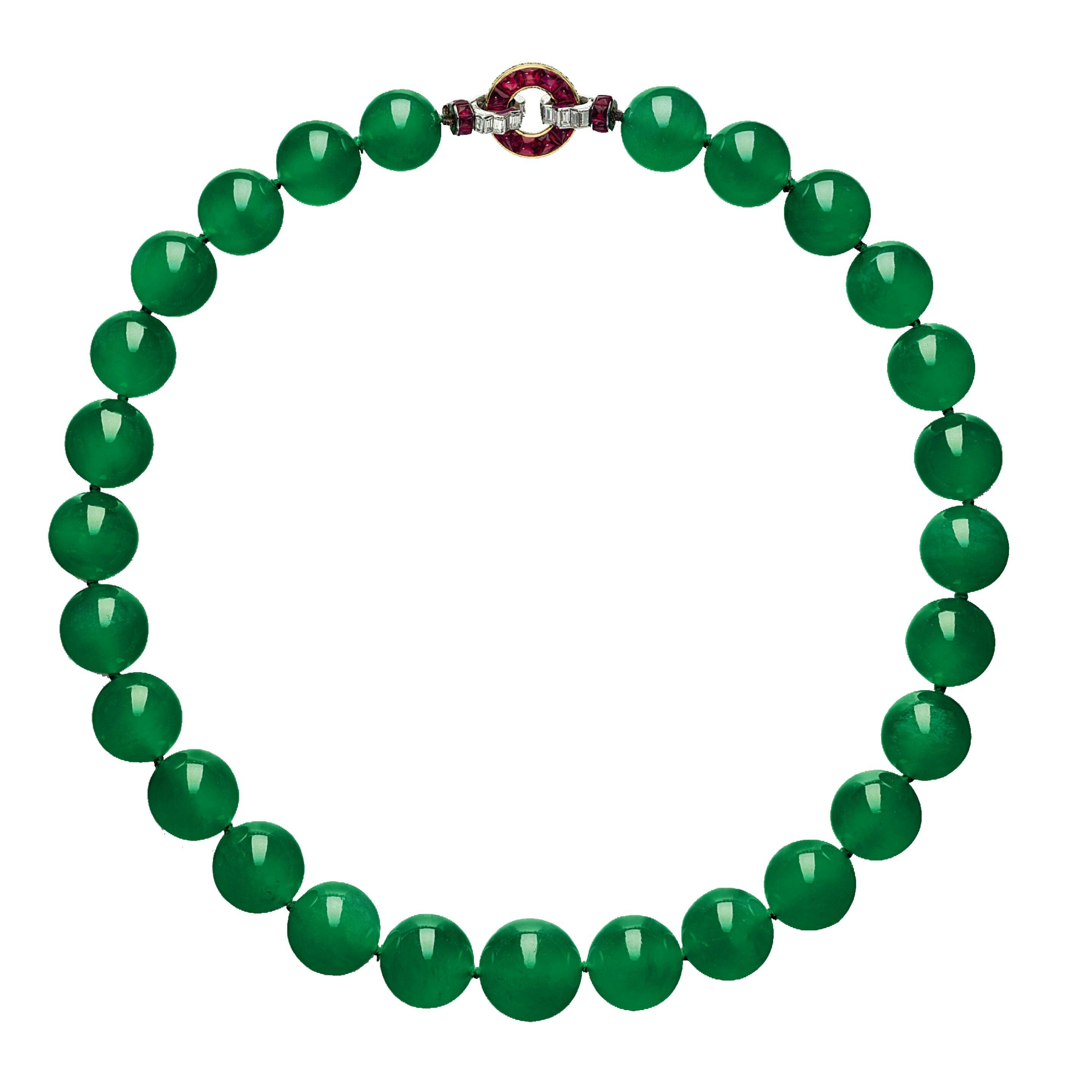
Worshipped since time immemorial, used as a sacred stone in cult objects, and fashioned into jewelry, jade has now found its way to some of the most illustrious jewelers in the world. Cartier had created ornaments, brooches and famous necklaces made of jade, such as the one commissioned by the American heiress Barbara Hutton that consisted of 29 balls of imperial jadeite set with diamonds, gold plate and rubies, which sold for $27.3 million at Sotheby's Hong Kong in 2014. Pieces like this inevitably grab the interest of great collectors, who then jostle to buy pieces made of imperial jade. Currently, it is considered one of the most expensive gems in the world.
Related: The 9 Most Popular Jewelry Brands

To get a better idea of this phenomenon, it is useful to look back at auction history. In 1999 Christie’s Hong Kong sold a jade bracelet for about $2.5 million. In 2013, an 18th-century Chinese statuette made of carved pale celadon jade reached €1.5 million in London. Later the same year, a jade imperial seal from the Qianlong period (1736-1795) was auctioned for $3.4 million at Sotheby’s New York. However, the record is held by a white jade seal from the Qianlong period, which soared to a whopping $12.2 million in Hong Kong in 2010. These colossal sums illustrate the proverb that ‘anything rare is expensive’ but also prove that jade is just as precious to people today as it was in centuries past. Find more articles on Barnebys Magazine


