The crew of Artemis II returned to Earth last month. The watches worn during the mission join a long lineage of timepieces associated with space exploration. During NASA’s first crewed lunar fly-by mission since 1972, all four astronauts wore Omega Speedmaster X-33 Gen 2 watches strapped to the outside of their suits.
Reid Wiseman, Victor Glover, Christina Koch and Jeremy Hansen were photographed wearing the Swiss-made timepieces before boarding the spacecraft. Originally launched in 1998, the X-33 quickly became a trusted tool of the US space programme. Although no longer produced commercially, the watch is believed to be specially issued to NASA astronauts.
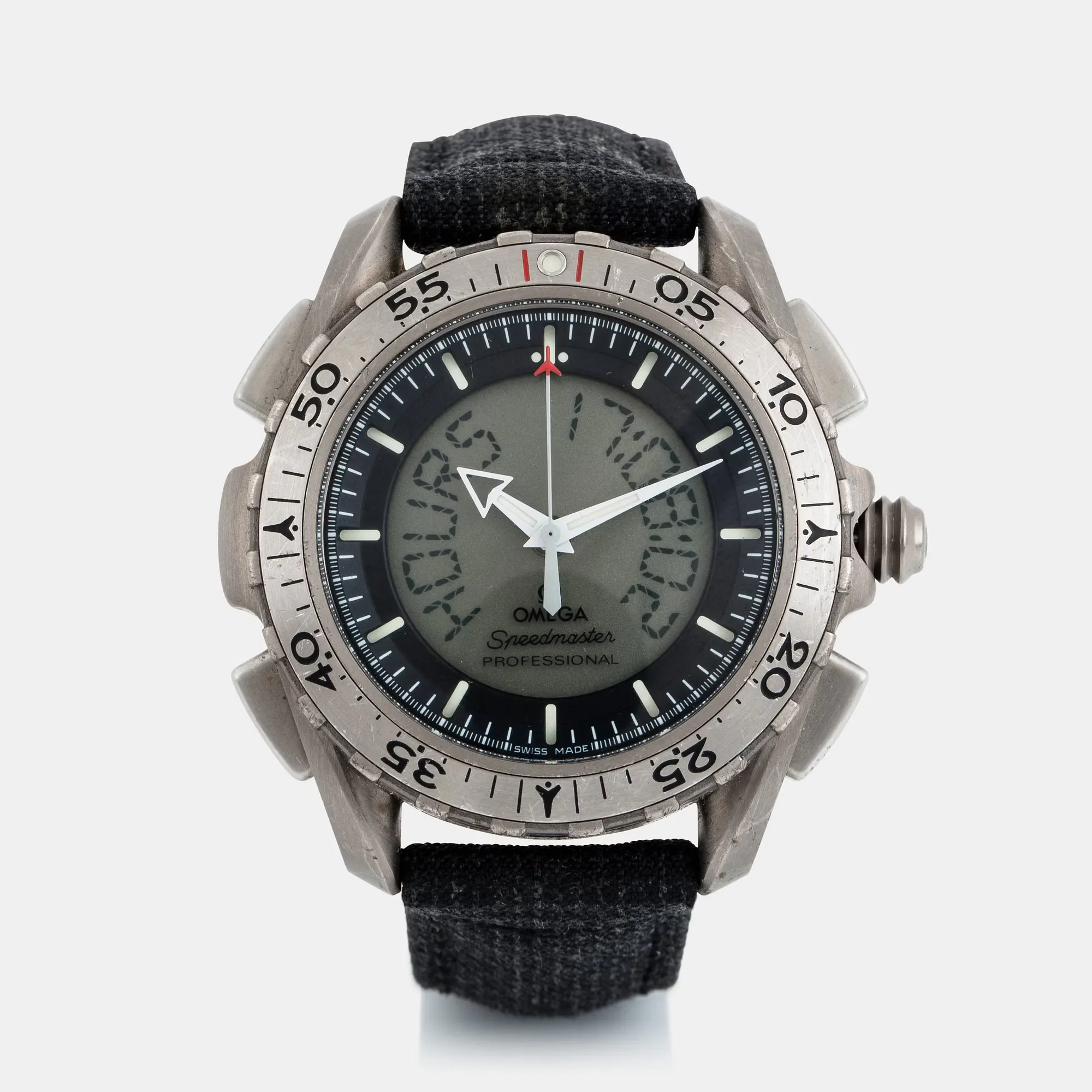
For Artemis II, NASA selected the analog-digital X-33 for its first crewed lunar fly-by mission since 1972. Earlier generations of astronauts, however, became associated with the mechanical Omega Speedmaster Professional. The first watch to be flight-qualified by NASA, it was worn by Neil Armstrong and Buzz Aldrin during the Moon landing in 1969. The ‘Moonwatch’, as it is more commonly known, remains one of the defining symbols of space exploration.
See also: Omega: A Cultural Icon
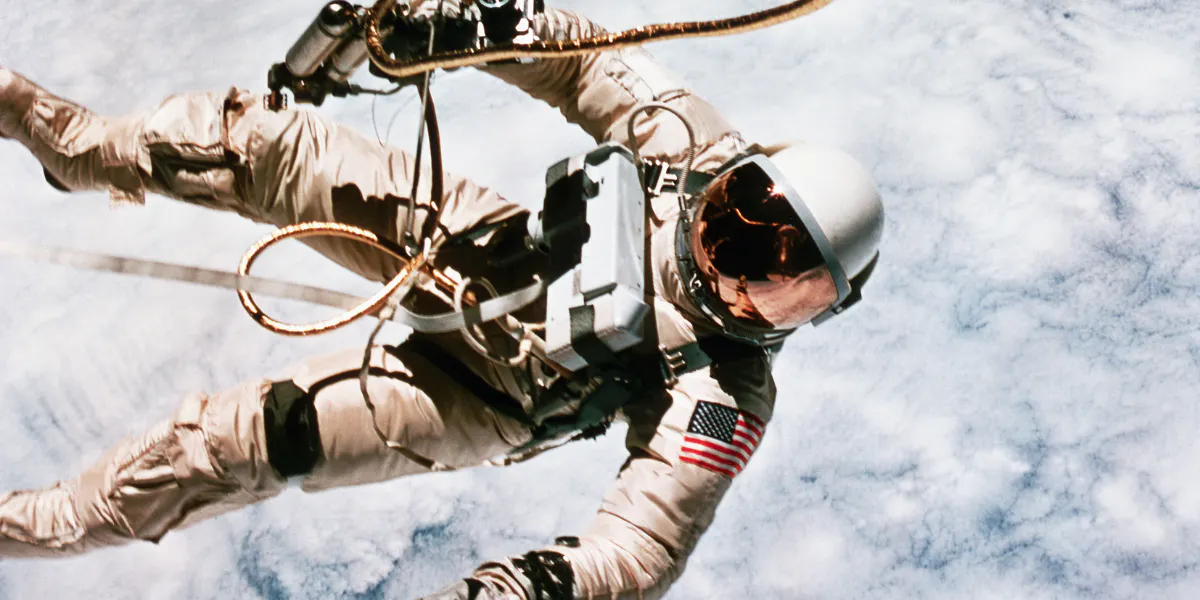
The Speedmaster’s history in space stretches back even further. Ed White became the first American to ‘walk’ in space during the Gemini 4 mission in 1965. He wore two Speedmasters: one set to mission time in space, the other to Houston time on Earth.
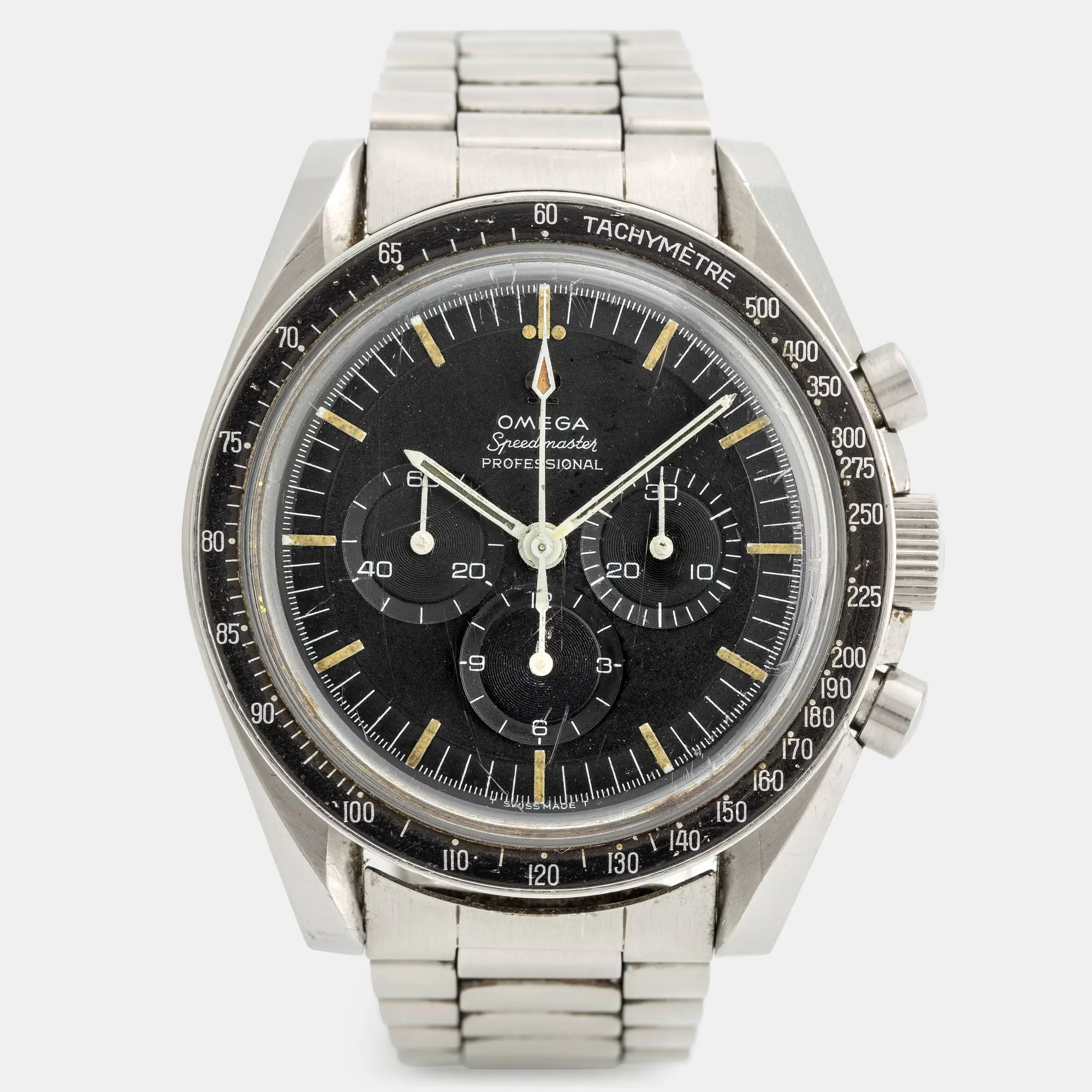
Gemini 4 and the subsequent Apollo missions helped cement the importance of the Speedmaster for the US space programme. The Soviets, however, largely relied on their own instruments during the space race.
See also: The 11 Top Luxury Watches
Alexei Leonov wore a Soviet-made Poljot Strela during the first human ‘spacewalk’. The watch traced its origins to the First Moscow Watch Factory, established during Stalin’s push to industrialise the Soviet Union. Lacking in equipment but not ambition, the government acquired the struggling Dueber-Hampden Watch Company from Ohio to help build its domestic watch industry.
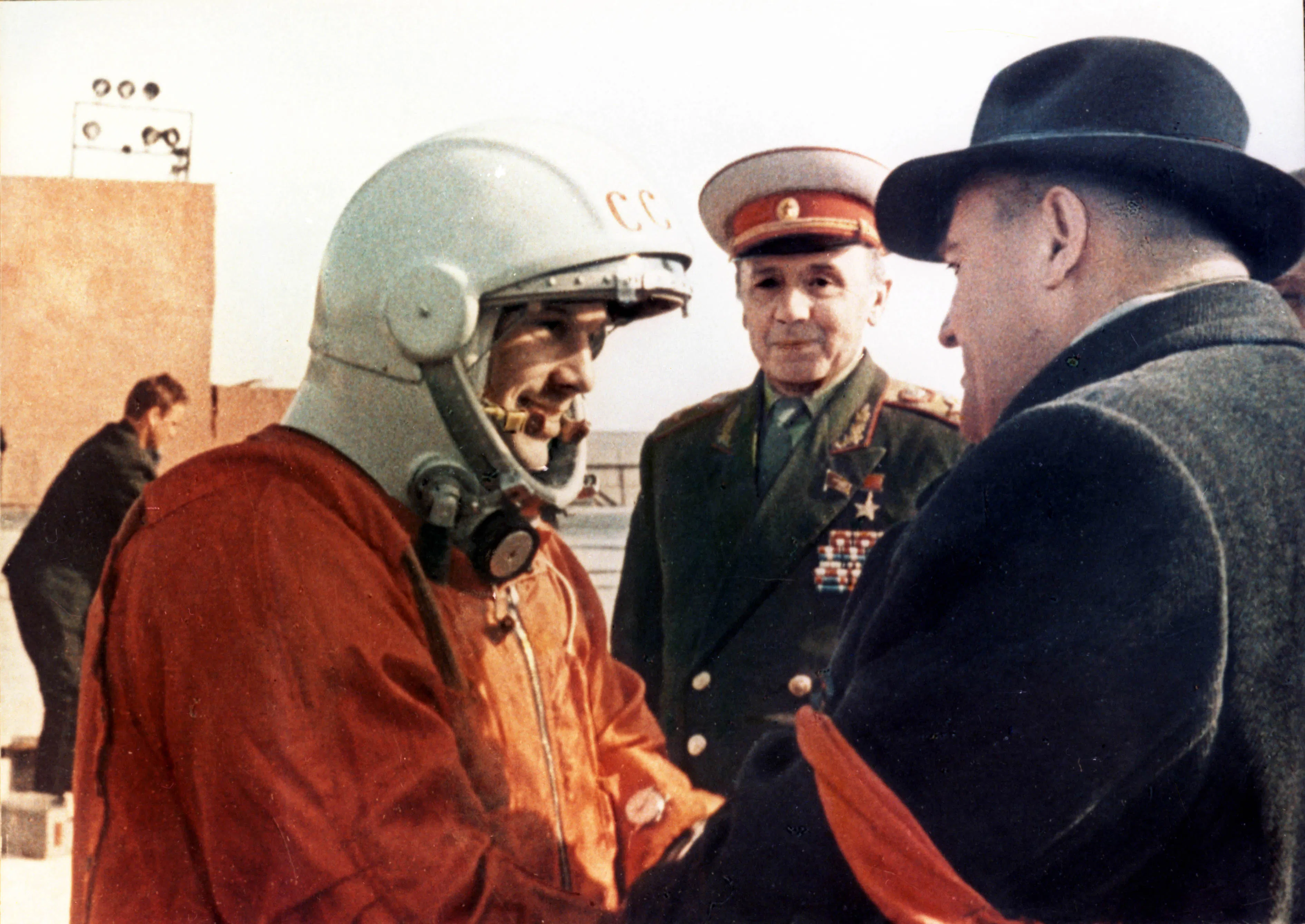
While Swiss-made Speedmasters became closely associated with American astronauts, the Soviets were recording many of the space race’s early ‘firsts’. In 1961, a Pobeda 34-K was strapped to the dog Chernushka aboard Sputnik 9, widely believed to be the first watch in space. Later that year, Yuri Gagarin wore a Sturmanskie — produced by the First Moscow Watch Factory — when he became the first man in space. Enthusiasts can still find rugged, utilitarian watches from this period on the market today.
Before the Omega Speedmaster, Bulova’s Accutron Astronaut was among NASA’s preferred watches. The model has a long association with both the US Air Force and the CIA, and was used during the Mercury missions. Its Swiss-made Caliber 214HN movement also reflected the growing influence of Swiss precision watchmaking within the American space programme.
See also: The 10 Greatest Dive Watches for Collectors
For collectors, appreciation for engineering often goes hand in hand with sentimental value. In space, however, reliability could become a matter of survival. During the Apollo 13 mission, an oxygen tank exploded aboard the spacecraft. ‘Houston, we’ve had a problem,’ the astronauts reported after the blast forced the crew off course. To re-enter Earth safely, they would need to execute an exact 14-second fuel burn. With onboard digital timing compromised, Command Module Pilot Jack Swigert famously used his Speedmaster to time the manoeuvre and help guide the crew home.
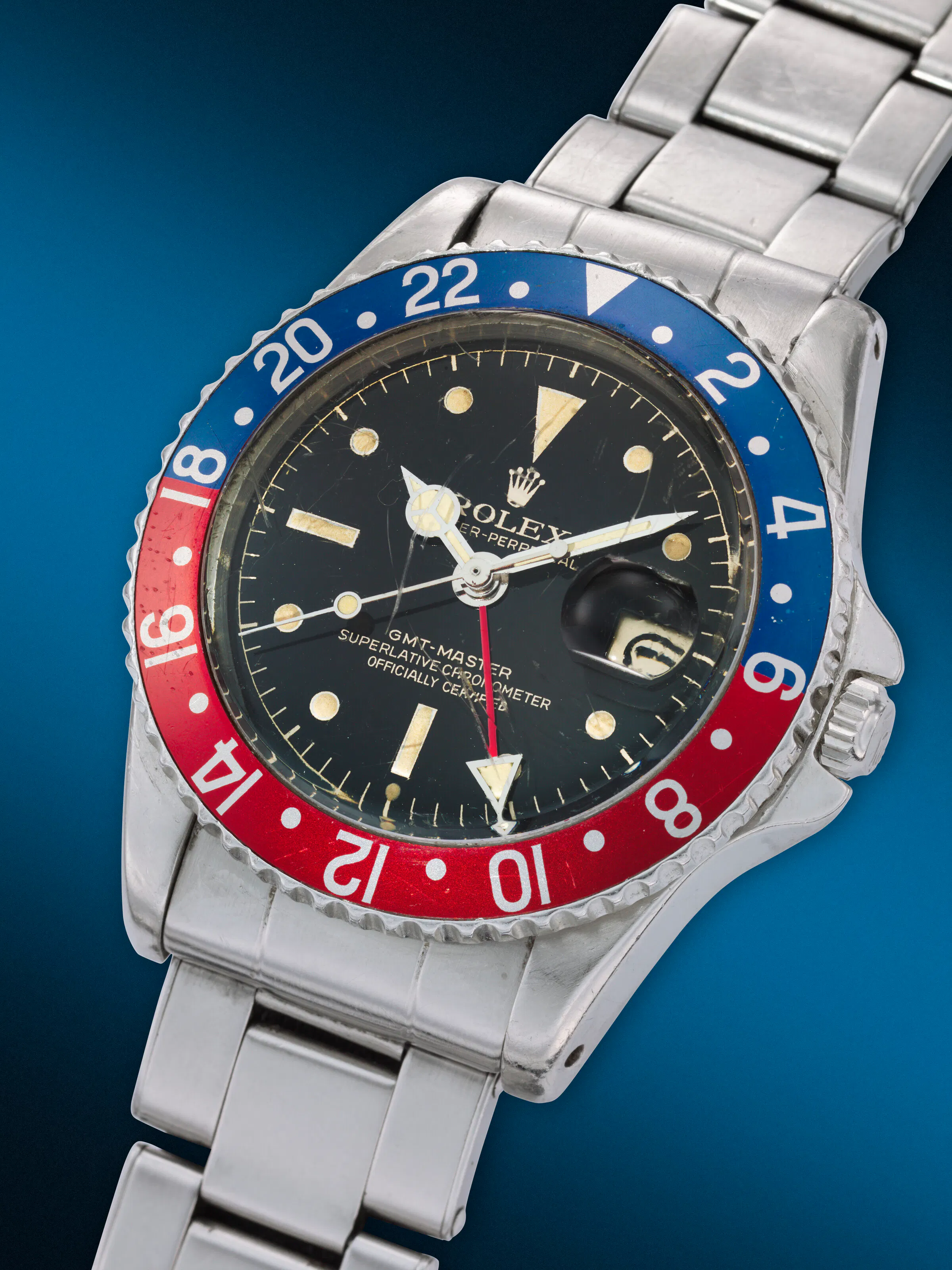
Although the Speedmaster became most closely associated with the Apollo 13 mission, some have suggested that Jack Swigert may instead have used a Rolex GMT-Master during the manoeuvre. The GMT-Master reference 1675, produced between 1959 and 1980, was a popular unofficial choice among astronauts, who were permitted to carry personal watches alongside NASA-issued equipment. The model is also believed to have travelled to the Moon during later Apollo missions.
See also: Why is the Rolex GMT-Master Known as the Rolex Pepsi?
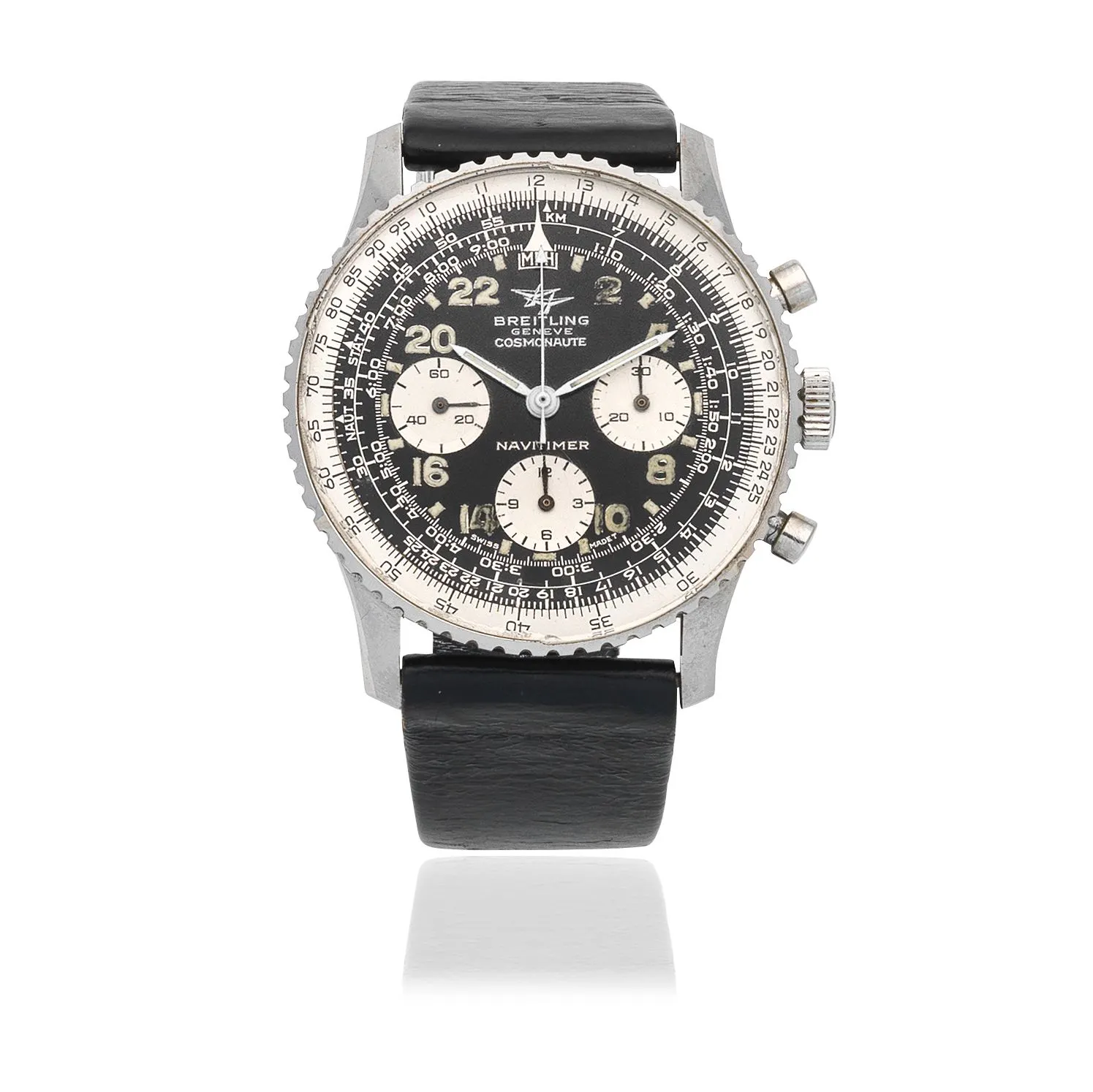
Carrying multiple timepieces appears to have become something of a tradition among NASA astronauts. Observers of the Artemis II mission may also have noticed a Breitling Cosmonaute Navitimer worn alongside the Speedmaster. Its origins stretch back to the Mercury-Atlas 7 mission in 1962, when astronaut Scott Carpenter wore a modified 24-hour version of the Breitling Navitimer — becoming the first Swiss wristwatch in space. The special dial configuration later evolved into the Cosmonaute line.
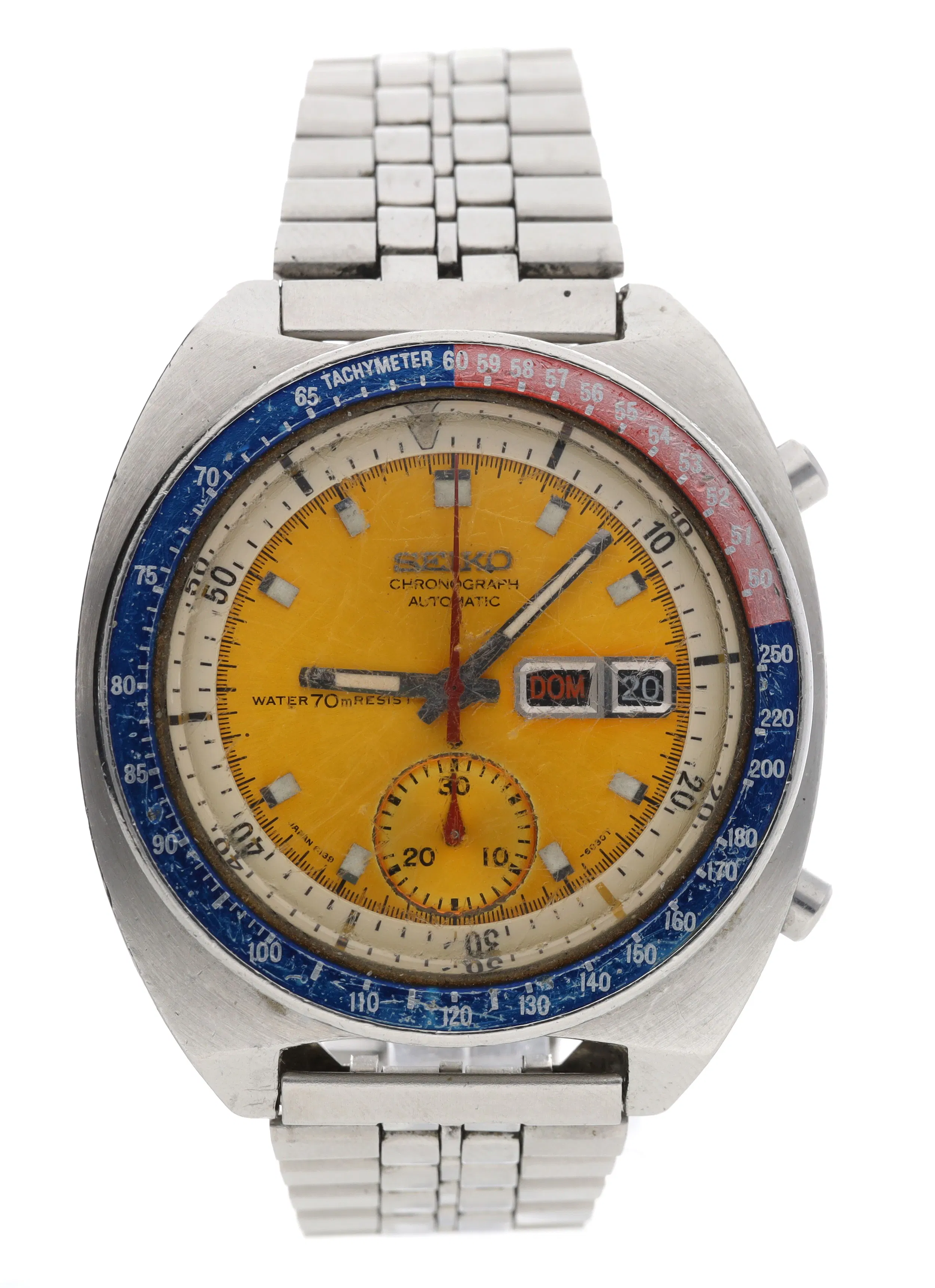
Japanese watches also have a long history in space exploration. The Seiko 6139 ‘Pogue’, named after astronaut William Pogue, became the first automatic chronograph in space during the Skylab 4 mission in 1973. Some believe Pogue relied on it for timing after the crystal detached from his Speedmaster.
Want more articles like this straight to your inbox? Subscribe to our free newsletter!
In the decades that followed, Japanese digital chronographs became increasingly common aboard space missions. The Seiko A829 Rotocall, also known as the ‘Astronaut’, recorded more than 150 uses in space after its release in the early 1980s. The Casio G-Shock DW-5600 proved even more popular, with estimates of well over 200 uses.
From Soviet factory watches to modern digital chronographs, these timepieces tell the story of mankind’s most ambitious expeditions. Today, collectors can still find many of these watches in forms ranging from vintage originals to high-tech reinterpretations.