When Jane Austen referred to two men wearing blue tailcoats in her novel Pride and Prejudice, which she began writing in 1796 and published in 1813, contemporary readers quickly recognized them as exceptionally fashion-conscious individuals. However, the stylish blue attire did not originate from the uniforms of esteemed Royal Navy officers, like Austen's two brothers. Instead, the inspiration came from the protagonist in a novel by the German writer Johann Wolfgang Goethe.
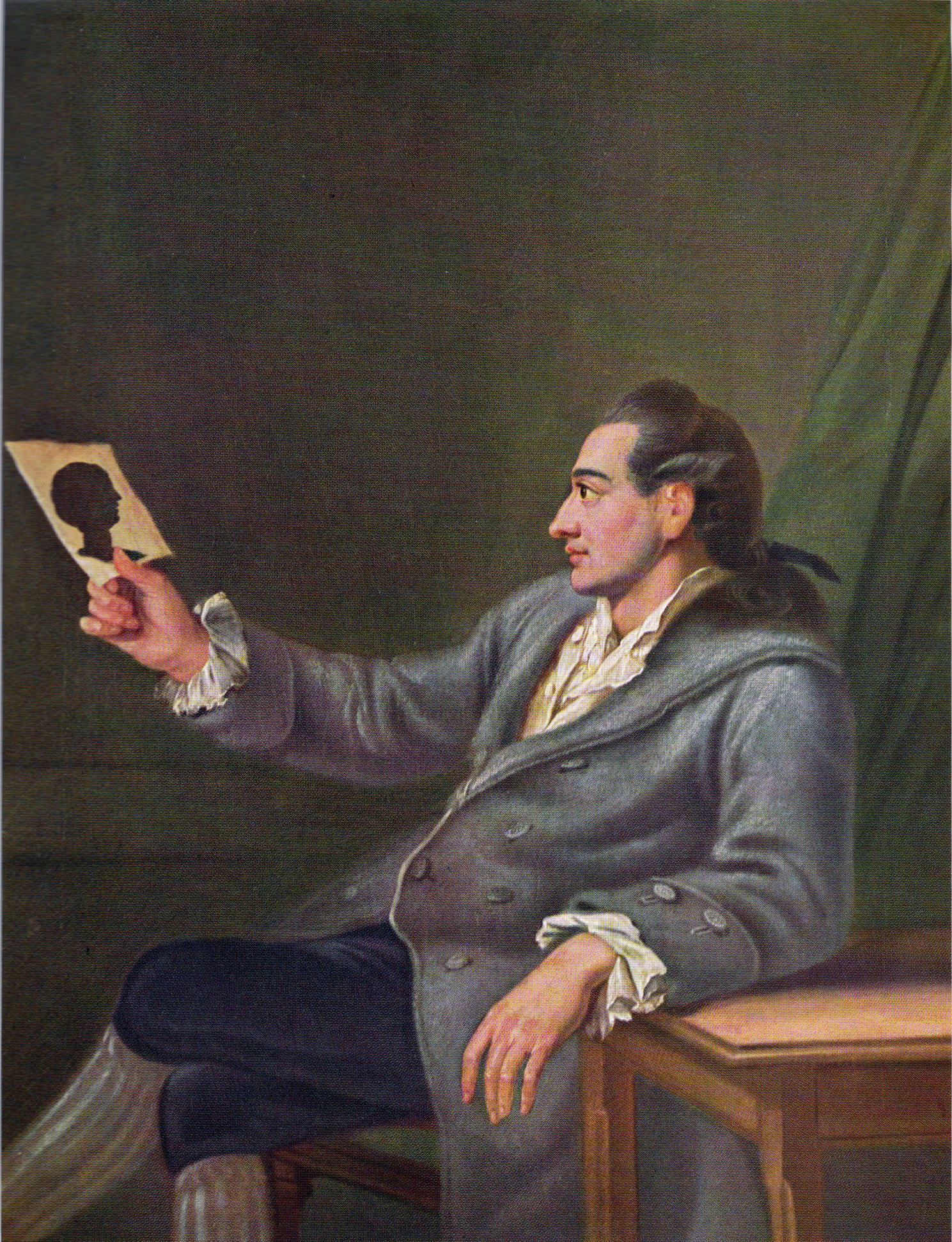
We are, of course, talking about Werther, whose sufferings were first published in the form of an epistolary novel at the Leipzig Book Fair in September 1774. The book became famous practically overnight and evolved into a bestseller, not only in German-speaking countries but throughout Europe and beyond. The novel made its appearance in French in early 1775, in English in 1779 (with the first American edition emerging in 1784), in Italian in 1781, and in Swedish in 1783. Many other languages embraced it, including Spanish in 1835.
Related: The Best Selling Novel of All Time
The release of a new novel was nothing unusual even in the late 18th century, and the epistolary novel was already a well-established genre by 1774. However, The Sorrows of Young Werther was unlike anything that preceded it and seemed poised to disrupt the familiar literary order.
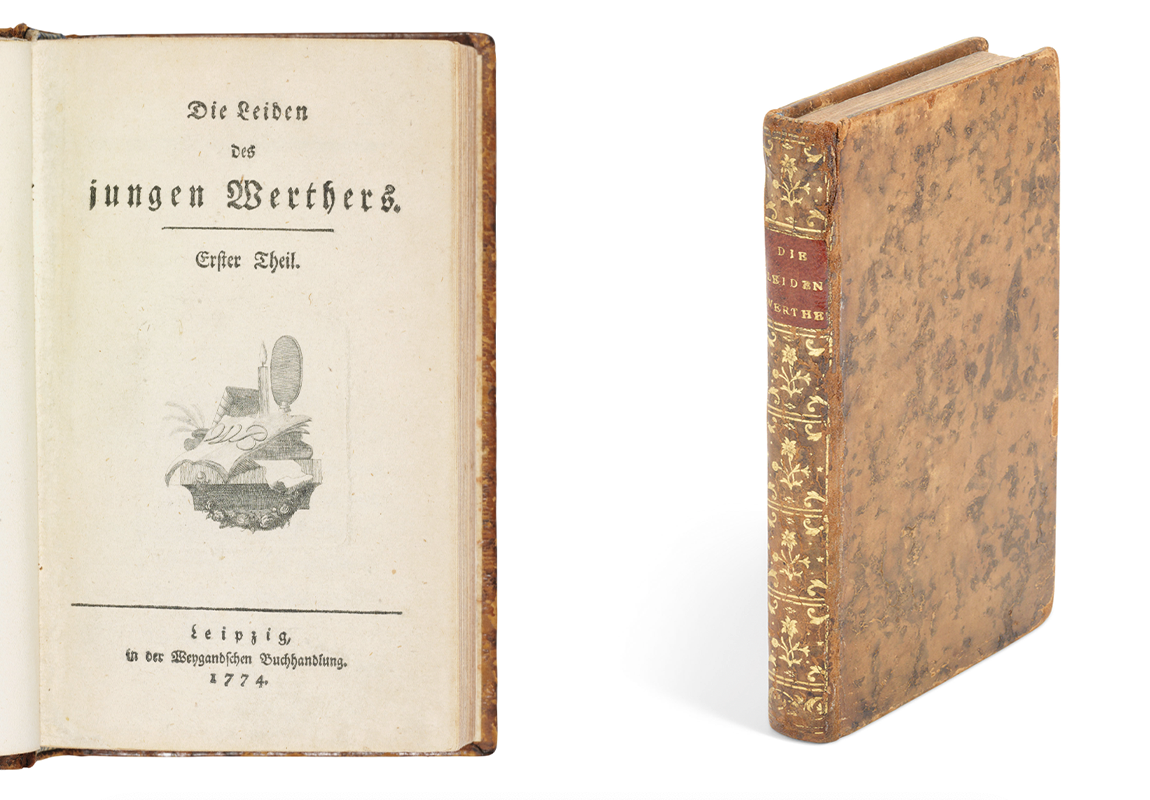
The novel portrays the experiences of a young man named Werther, who falls in love with Lotte in the fictional town of Wahlheim. However, Lotte is already promised to another man, Albert. As Werther's emotions become overwhelming, he leaves Wahlheim to work for an envoy at the princely court. Yet, as a commoner, he finds himself excluded from aristocratic circles, reinforcing his societal status. Werther returns to Wahlheim, discovering that Lotte and Albert are now married. When he eventually threatens to tarnish Lotte's honor, Werther sees no hope and decides to end his own life.
Related: How The Great Gatsby Got Its Cover
After its publication, the novel quickly gave rise to the so-called 'Werther fever', which made young men dress like the novel's ill-fated hero, adopting the distinctive attire of a blue tailcoat paired with a yellow waistcoat and yellow trousers. The novel, however, proved not only emotionally charged but also radical in its impact. The authorities in various cities, over time, repeatedly prohibited men from donning this 'Werther costume.'
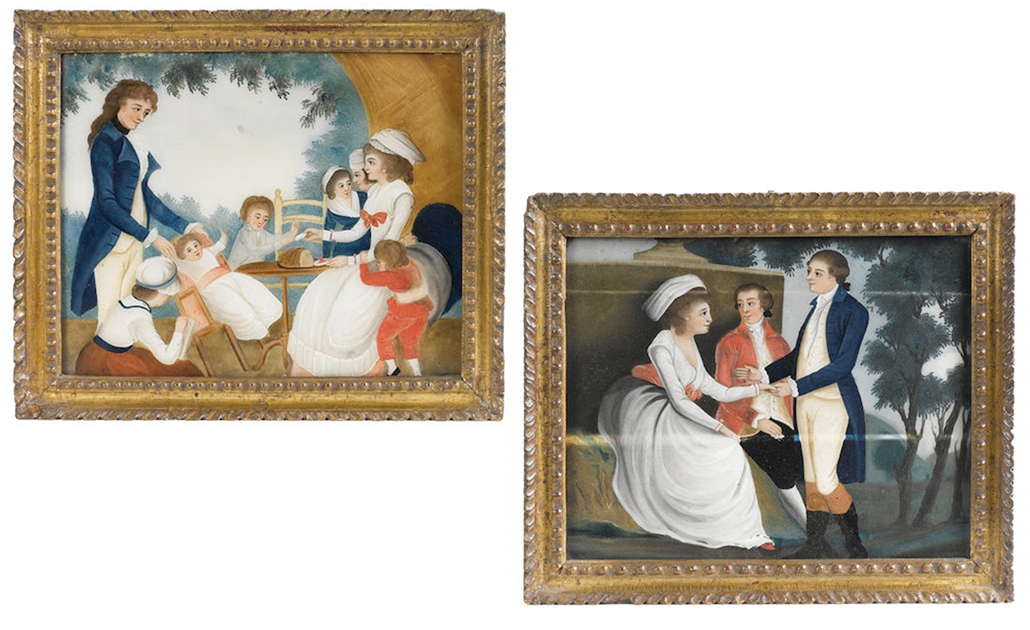
On the one hand, Werther was viewed by conservative and moralizing circles as a disruptor of marital harmony. On the other hand, his demise caused the most outrage, as suicide was deemed a grave sin that prohibited Christian burial in a cemetery (as depicted in the novel, a fate that also befell Werther). Indeed, there were several instances of suicide among young readers in the years that ensued. The extent of these tragic events was debated at the time and remains a subject of discussion today. The term 'Werther effect,' denoting an increase in the suicide rate following extensive reporting on suicide cases, has become established in media and social research.
Related: Podcast Ep #35 Antique Books: Between the Lines
The novel's impact was due not only to its content but also to its structure. Primarily, Goethe had incorporated his own experiences into it, drawing from his encounter with Charlotte Buff in Wetzlar, who was also already engaged. Another important source of inspiration stemmed from the fate of his friend Karl Wilhelm Jerusalem, who had taken his own life due to his hopeless love for a married woman.
None of these details are explicitly mentioned in the novel, of course, but Goethe structured it in a way that led the reader to believe they were engaging with real events. This effect was achieved through the commentaries of a fictitious editor, accompanying Werther's letters dated between May 4, 1771 and December 24, 1772. Unlike earlier epistolary novels, this work did not involve one or more correspondences; only Werther's letters to his friend Wilhelm are included. The reader experiences everything from Werther's perspective, creating a profound connection with him. There is no morally upright resolution where the hero, having been thrown off course, reintegrates into society. Instead, there's a radical seizing of his own destiny, challenging the social order of the time, which was characterized by class divisions.
Related: 6 Women Who Have Won the Nobel Prize in Literature
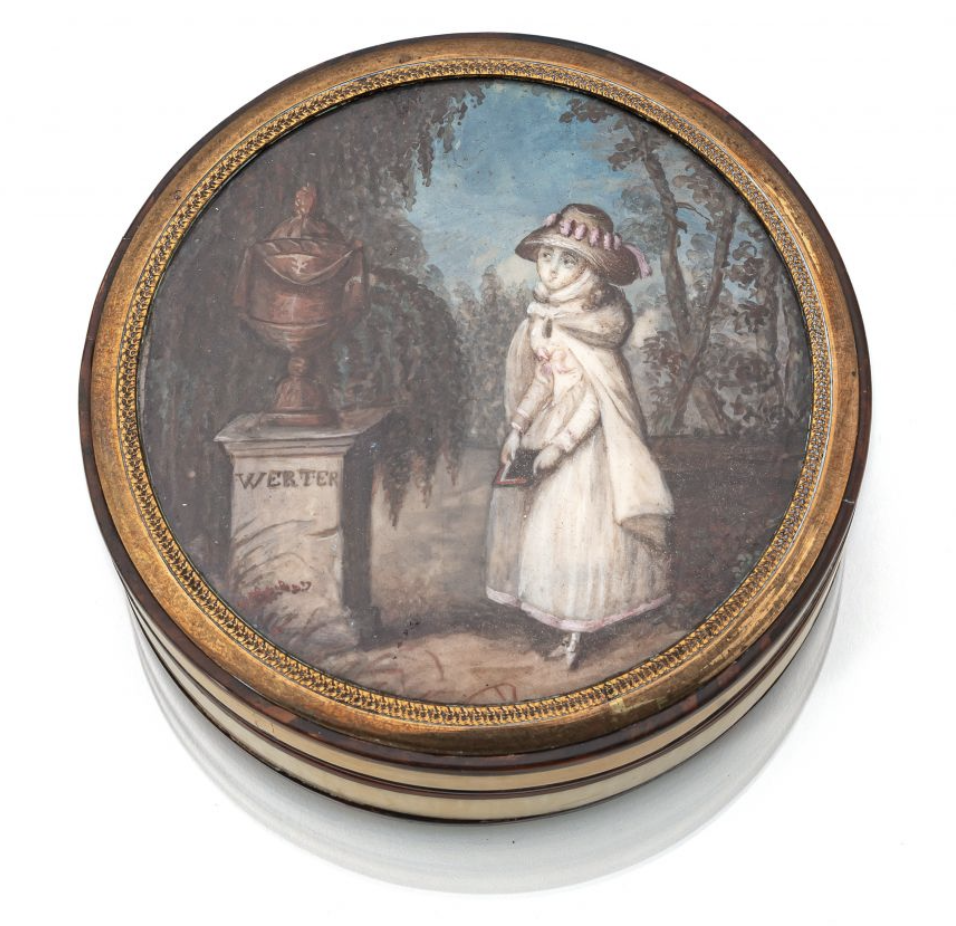
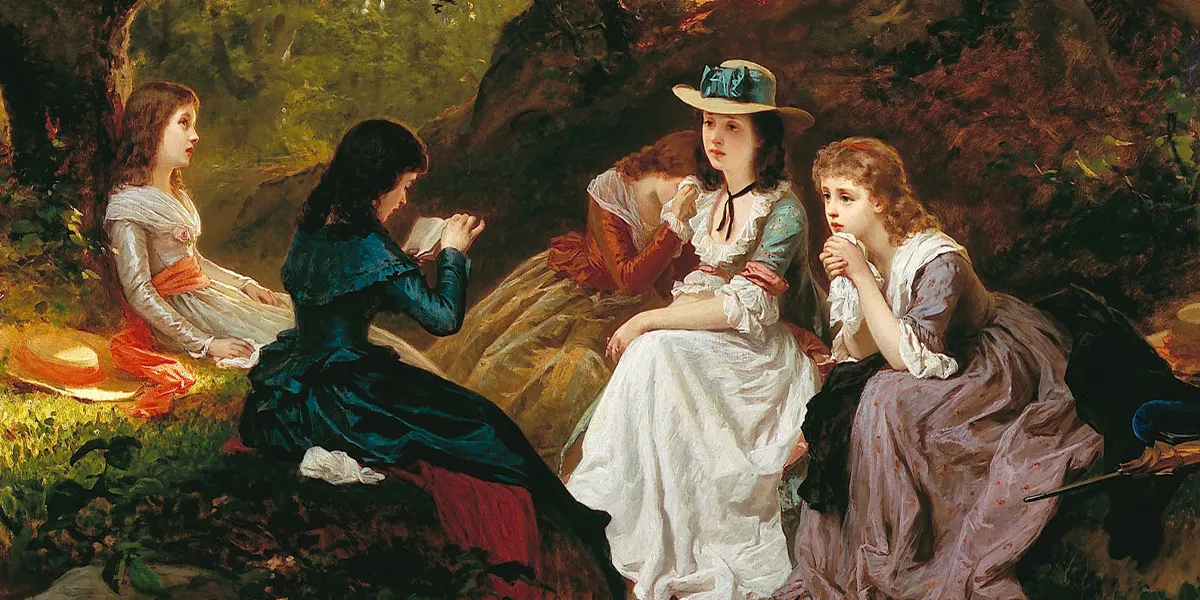
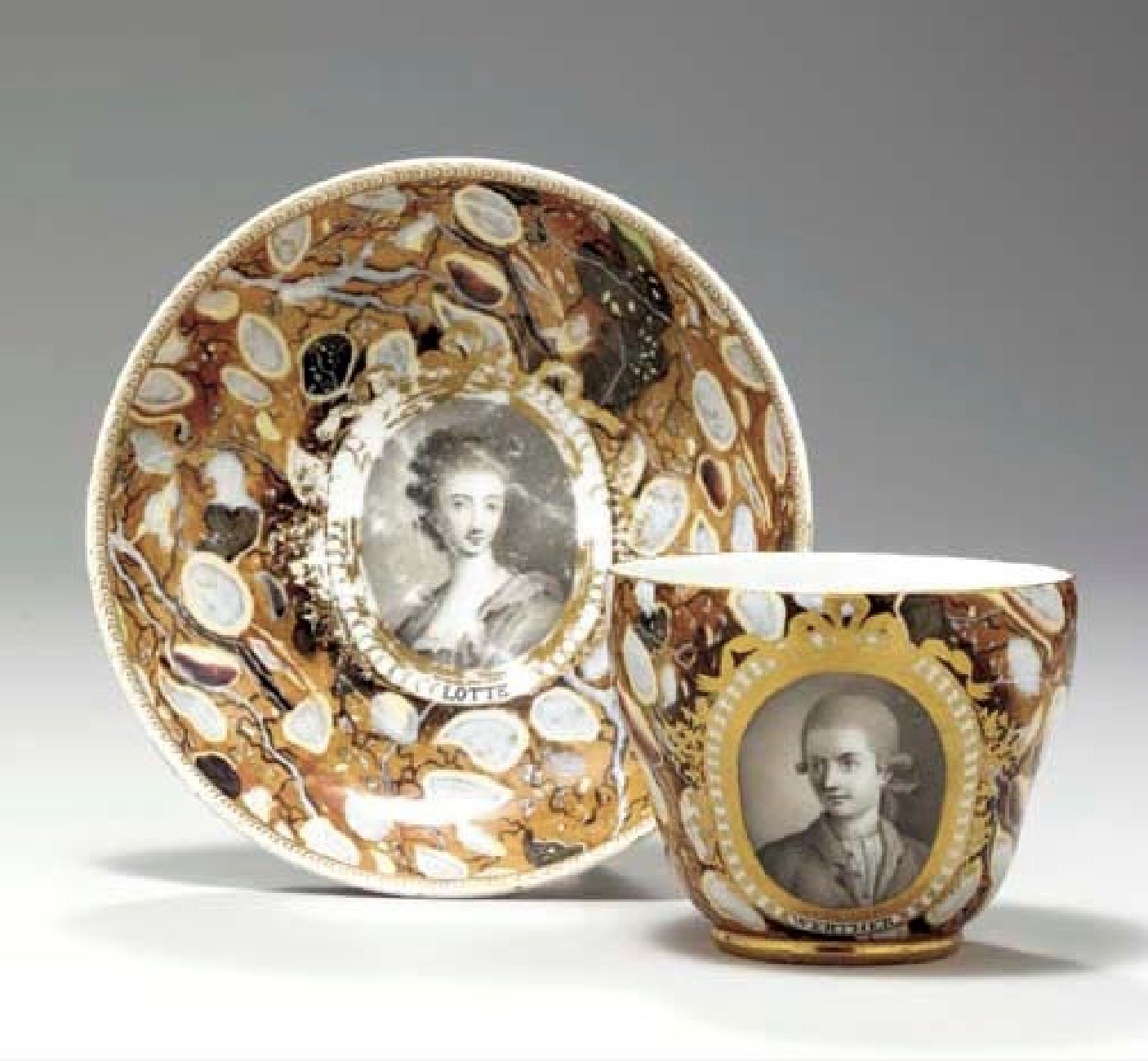
Despite numerous bans, the 'Werther fever' proved unstoppable, and soon, motifs from the novel adorned various decorative items like bowls, cups, tins, and even buttons. Engravings and artworks by different artists, including English ones, served as models and were repeatedly adopted. The novel also sparked additional literary creations, known as 'Wertheriads,' which either positively or negatively embraced its plot and extended it further. For instance, the parody The Joys of Young Werther by Christoph Friedrich Nicolai and the poem Lotte at Werther's Grave by Carl Ernst von Reitzenstein were penned as early as 1775. In England, The Letters of Charlotte by an unknown author was one of the initial Wertheriads to appear in English in 1786. Even Napoleon, an avid Werther enthusiast who carried his copy during the Egyptian campaign in 1798, contributed a Wertheriad in the form of a monologue.
Want more articles like this straight to your inbox? Subscribe to our free newsletter!
Related: 7 Greats and Their Favorite Fountain Pens
Goethe himself, however, soon grew irritated by the 'hype' surrounding his immensely successful novel. Similar to Romy Schneider's desire to shed her 'Sissi image,' Goethe, in later years, detested being consistently associated with or even reduced to his Werther. When Napoleon and the poet, who had since acquired the title Johann Wolfgang von Goethe, met in 1808, Goethe, an admirer of Napoleon, later depicted it as a highlight of his life. Nevertheless, the fact that much of the conversation centered on Werther might not have pleased him as much.